Iron Phosphate (FePO₄) – Product Line, Price, Where to Buy | Manufacturer and Distributor
Iron phosphate (FePO₄) – high purity, competitive price, 24-hour delivery. We are an experienced distributor of chemical raw materials, offering this compound in various grades: technical, pure, and pro analysis (p.a.), as well as in the form of ready-to-use horticultural preparations.
Our product is designed for manufacturers of plant protection products, the fertilizer industry, professional and home gardening, research laboratories, and companies involved in organic crop protection. We include a certificate of analysis (CoA), a safety data sheet (SDS), and complete technical documentation. We guarantee consistent quality across batches, competitive wholesale prices, and technical support.
Main applications: an effective snail control agent, a snail-killing product safe for animals and children, a fertilizer that enriches the soil with iron, active ingredient in plant protection products, use in organic farming, and protection of vegetables and ornamental plants against slugs.
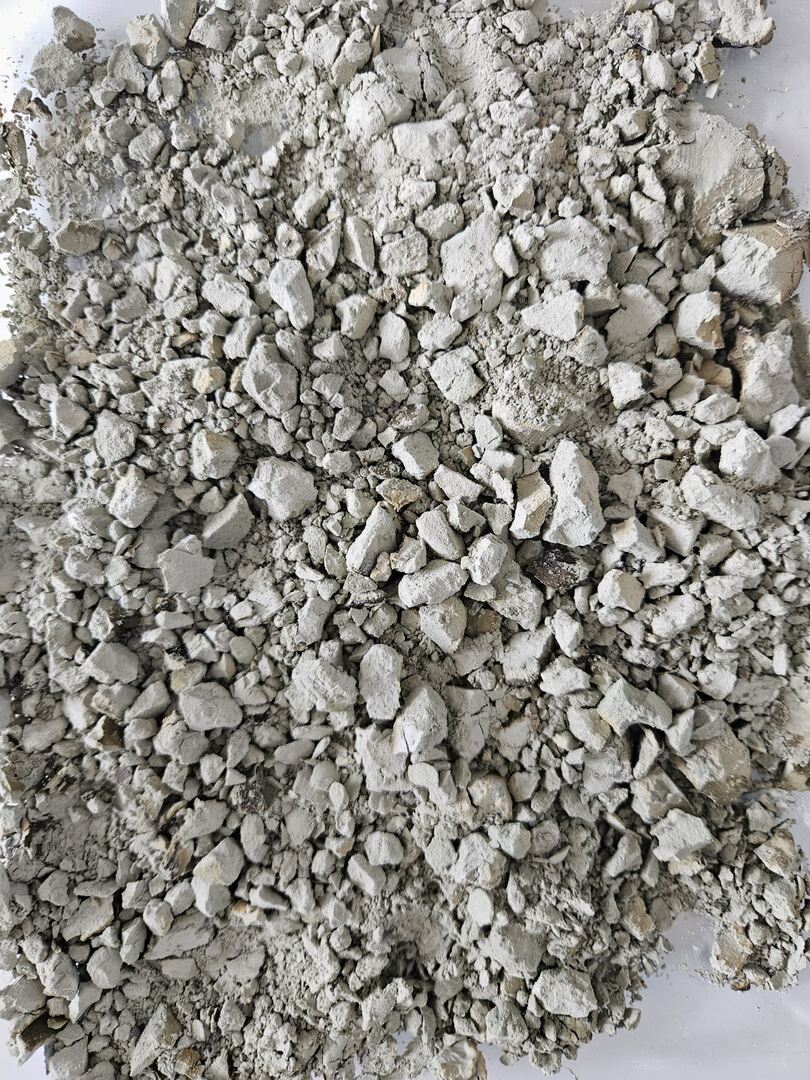
Basic Specifications – Iron Phosphate FePO₄
| Chemical name | Iron(III) phosphate |
|---|---|
| Synonyms | Ferric phosphate |
| Chemical formula | FePO₄ (anhydrous), FePO₄·2H₂O (dihydrate) |
| CAS Number | 10045-86-0 (anhydrous), 13463-10-0 (dihydrate) |
| EC Number (EINECS) | 233-149-7 (anhydrous) |
| Molar mass | 150.82 g/mol (anhydrous), 186.85 g/mol (dihydrate) |
| Form | Light yellow to white powder, granules (ready-to-use formulation) |
| Available Purity Grades | Technical / Anal. Grade (p.a.) / Horticultural preparation (1% FePO₄) |
| Solubility | Slightly soluble in water, soluble in acids |
| Decomposition temperature | >650°C |
| Available packaging | 500 g / 1 kg / 5 kg / 25 kg (bags, containers) |
| Documentation | SDS, CoA, Technical Specification, Label as a plant protection product |
B2B Terms of Cooperation – Wholesale Iron Phosphate
Why work with us?
- Wholesale deliveries – orders starting at 1 kg, delivery throughout Poland and the EU, standard shipping
- Volume discounts – up to 15% off for larger orders
- Batch consistency – every shipment includes a CoA and LOT number, quality guaranteed
- Short lead time – we ship in-stock products within 24–48 hours
- Fixed-term contracts – framework agreements with fixed prices for 6–12 months for manufacturers of crop protection products and fertilizers
- Technical support – assistance with product selection and formulation optimization
- Trade credit – flexible payment terms for regular customers
- Plant protection product documentation – complete documentation in compliance with legal requirements
Do you need iron phosphate?
Contact us!
Ask about current prices, availability, and wholesale discounts. We’ll respond within 24 hours.
Iron phosphate – price and pricing factors
The price of the product depends on several key factors:
- Chemical purity: pharmaceutical-grade (p.a.) products are more expensive than technical-grade ones
- Product form: pure compound vs. ready-to-use granular formulation (1% active ingredient)
- Order size: the price per kg decreases with larger quantities (volume discounts)
- Application form: ready-to-use granules are more expensive than the pure chemical
- Packaging: standard bags vs. specialized packaging for gardening
- Documentation: certifications as a plant protection product, approval for organic farming
Retail orders (500 g–5 kg): from several dozen to several hundred zlotys
Wholesale orders (25+ kg): custom pricing with a discount
Do you need this compound? Contact us!
Ask about current prices, availability, and wholesale discounts. We’ll respond within 24 hours.
Where to buy? Ask for a quote!
Order a sample or request a wholesale quote
We offer free samples (250–500 g) for quality testing before placing a larger order. For B2B customers, we prepare customized quotes that take into account:
- – Order volume and frequency
- – Documentation and certification requirements (pesticides, organic farming)
- – Special technical requirements (purity, product form—powder, granules)
- – Packaging and labeling requirements
Contact us—we’ll respond within 24 hours!
Contact Information
Phone: +48 724 967 482
Email: biuro@elpolap.com.pl
Address:
Nowa Wieś Królewska 46, Września County / PL
Sales Department Hours:
Monday–Friday: 8:00 a.m.–4:00 p.m.
What is iron phosphate?
Definition and chemical formula of FePO₄
Iron phosphate is an inorganic chemical compound with the formula FePO₄, which is a salt of phosphoric acid and iron in the +3 oxidation state. In nature, it occurs as the mineral strengite (FePO₄·2H₂O). This compound is characterized by low solubility in water and high chemical stability, which is crucial for its practical applications.
It is commercially available mainly in two forms: the anhydrous form (FePO₄), which appears as a white to light yellow powder, and the dihydrate (FePO₄·2H₂O), a hydrated form that is more stable under atmospheric conditions.
Occurrence and General Characteristics of the Compound
This compound occurs naturally in soils, particularly those rich in iron and phosphorus. It is a product of natural mineral weathering processes and plays an important role in the biogeochemical cycles of iron and phosphorus in the environment.
As an active ingredient in plant protection products, it is used in the form of granules containing approximately 1% FePO₄. These granules act as a food lure for snails, combining the active ingredient with odorants that attract the pests. The most important advantage of this product is its low toxicity to mammals, birds, and beneficial organisms, making it a significantly safer alternative to traditional snail control products. Additionally, it is approved for use in organic farming in accordance with European Union regulations.
Learn how it works
Snail Control – An Effective Plant Protection Product
The primary use of this compound is to control slugs and garden snails in horticultural, vegetable, and ornamental crops. The product acts as a selective molluscicide, eliminating pests without negatively affecting other organisms.
The mechanism of action is fascinating and effective. After a snail ingests the granules, the active ingredient disrupts iron metabolism in the pest’s body, blocks mucus secretion—preventing movement—and reduces appetite. The end result is that the pest retreats to its hiding places, where it dies within three to six days. Plants are protected almost immediately, as snails stop feeding after just a few hours.
Key advantages of the product: safe for pets and children; non-toxic to beneficial organisms (earthworms, pollinating insects, hedgehogs); rain-resistant; and approved for use in organic farming with European Union certification.
Horticultural applications—protection of vegetables, ornamental plants, and crops
The product is used to protect a wide range of crops. Among vegetables, lettuce, spinach, cabbage, tomatoes, cucumbers, and peppers grown in tunnels, as well as strawberries, are particularly vulnerable. In ornamental gardens, hostas, daylilies, and dahlias require special protection.
The dosage varies depending on the application site. In home gardens, the granules are spread around the plants at a rate of 3–5 g/m². For field crops, higher doses of 5–7 g/m² are used. Optimal conditions include temperatures above 5°C, application after rain or in the evening, and a frequency of every 2–3 weeks.
Use as a Fertilizer – Enriching the Soil with Iron
The product is also used as a source of iron for plants, particularly in alkaline soils. It prevents chlorosis, supports chlorophyll synthesis and photosynthesis, and improves the quality of leafy vegetable crops.
Plants requiring additional iron include acidophilic plants (azaleas, rhododendrons, blueberries), vegetables (spinach, lettuce, cabbage), and fruit plants (strawberries, raspberries). The recommended application rate as a fertilizer is 10–20 g/m² once per growing season.
Do you need this product?
Contact us!
Ask about current prices, availability, and wholesale discounts. We’ll respond within 24 hours.
Production Methods
Chemical synthesis
In industry, the compound is mainly obtained by precipitation from aqueous solutions. The main reaction occurs between iron(III) chloride and phosphoric acid, resulting in a precipitate and hydrochloric acid as a byproduct. Alternatively, iron(III) sulfate can be used in a reaction with phosphoric acid.
The process involves preparing a solution of iron(III) salt, adding phosphoric acid or sodium phosphate, precipitating the solid, filtering and washing it, and drying it at a temperature of 80–120°C.
Anhydrous and hydrated forms
The dihydrate forms at lower temperatures (20–60°C) and is stable under atmospheric conditions. This form is preferred in horticultural preparations due to its better resistance to moisture.
The anhydrous form is obtained by dehydrating the dihydrate at 200–300°C. It is characterized by higher chemical purity and is used in chemical synthesis and as an analytical reagent.
The production of horticultural granules is the next step. Ready-to-use snail control products contain 1–3% active ingredient, a carrier (wheat bran, soybean meal), odorants, and binding agents. The granulation process produces granules with a diameter of 2–5 mm, ideal for use in gardening.
Physicochemical Properties
Appearance, color, crystalline form
The anhydrous form occurs as a crystalline powder ranging in color from white to cream to light yellow. The crystal structure is orthorhombic, isomorphic with aluminum phosphate. The dihydrate is white-yellow to greenish in color. Horticultural granules are 2–5 mm in diameter, brown or greenish in color, and have high mechanical strength.
Solubility and Stability
The compound is practically insoluble in water (0.642 mg/L at 25°C). This property is crucial for the rain resistance of horticultural formulations. However, it dissolves in mineral acids.
In acidic soil (pH 4–6), the compound slowly releases iron and phosphate ions, acting as a natural fertilizer. In alkaline soil (pH >7), it remains in an insoluble form. The compound is not biodegradable but is non-toxic to soil microorganisms.
Thermal Stability
The compound exhibits high thermal stability. Up to 200°C, it loses its water of crystallization. In the range of 200–650°C, the anhydrous form remains completely stable. Above 650°C, thermal decomposition begins. High stability ensures safe storage and resistance to high temperatures during production.
Chemical Reactivity and Characteristic Reactions
The compound reacts with strong acids, dissolving into solution. When reacted with hydrochloric acid, it forms iron chloride and phosphoric acid. These reactions are utilized in chemical analysis. The compound does not react with water, alcohols, or ethers, and is stable toward CO₂ and atmospheric oxygen. This low chemical reactivity ensures the product’s long-term stability.
Safety of Use
Classification as a Plant Protection Product and Hazards
The product is characterized by very low toxicity. The pure compound is not classified as a hazardous substance under the CLP/GHS system. Toxicological parameters: LD₅₀ (oral, rats) >5000 mg/kg – practically non-toxic; LD₅₀ (dermal) >2000 mg/kg.
A comparison with metaldehyde reveals a huge difference in safety: the LD₅₀ for our product is >5,000 mg/kg, while that for metaldehyde is only 227 mg/kg. The product is safe for dogs, children, and earthworms, whereas metaldehyde poses a serious threat.
Precautions and guidelines for using the product
Read the label and package insert before use. Basic safety rules: wear protective gloves when handling larger quantities, avoid inhaling dust, do not eat, drink, or smoke while working, wash your hands after finishing, and store away from food and animal feed.
In case of skin contact, wash with soap and water. In case of eye contact, rinse thoroughly with water for 15 minutes. If swallowed, drink 1–2 glasses of water; if large amounts are ingested, consult a doctor.
Safety for Pets, Children, and Beneficial Organisms
This product is significantly safer than metaldehyde for dogs and cats. Accidental ingestion of small amounts does not cause symptoms of poisoning. Larger amounts may cause gastrointestinal symptoms (vomiting, diarrhea), which are self-limiting. Unlike metaldehyde, this product does not cause neurological symptoms.
Recommendations: Spread the granules in the evening when pets are indoors; avoid applying the product in areas where pets regularly spend time.
The product is also safe for children due to its low toxicity and bitter, repellent taste. Its impact on beneficial organisms is minimal—it does not harm earthworms, pollinating insects, birds, hedgehogs, or amphibians.
Iron phosphate is approved by the EU for use in organic farming in accordance with Regulation (EC) No. 889/2008.
Storage and Disposal
Storage conditions: temperature 5–25°C, dry place, tightly sealed container, away from food and feed. Shelf life: 2–3 years from the date of manufacture.
Disposal of small quantities: bury in the soil (biodegradable carrier). Larger quantities: take to a hazardous waste collection point. Containers: rinse with water and recycle.
Do not: pour down the drain, burn the packaging, or leave unused product in the garden.
Do you need this product?
Contact us!
Ask about current prices, availability, and wholesale discounts. We’ll respond within 24 hours.
Documentation and Technical Data
Safety Data Sheet (SDS) and product label
Each batch includes complete technical documentation. The REACH-compliant Safety Data Sheet (SDS) includes: substance identification, hazard information, composition, first aid measures, physicochemical properties, toxicological and ecological information, and waste disposal guidelines.
The product label for horticultural products includes: the trade name and active ingredient, the mandatory warning “Read the label and package insert before use,” instructions for use, scope of application, and the registration number.
CAS number, EC number, structural formula
CAS Number: 10045-86-0 (anhydrous), 13463-10-0 (dihydrate).
EC (EINECS) number: 233-149-7
Molecular formula: FePO₄
IUPAC name: Iron(III) phosphate
Polish name: Iron(III) phosphate, phosphoric iron(III)
The compound has an ionic structure consisting of Fe³⁺ cations and PO₄³⁻ anions. In the crystal lattice, each iron ion is surrounded by phosphate ions in a tetrahedral arrangement.
Available purities, product forms, and packaging
Chemical purity:
- Technical (85–95%):
- Pure (96–98%): laboratories, synthesis
- Pro Analysi (>99%): analytics, scientific research
- Horticultural formulation (1–3% in granules): slug control
Product forms:
- Anhydrous FePO₄ powder (96–99%): 1 kg, 5 kg, and 25 kg bags
- FePO₄·2H₂O dihydrate (95–98%): 5 kg and 25 kg bags
- Horticultural granules (1% FePO₄): 500 g and 1 kg boxes, 5 kg bags
Wholesale and B2B Orders
Companies offer preferential terms for wholesale orders, the ability to negotiate prices, and just-in-time delivery. B2B partnerships often include flexible payment options and technical support.
Frequently Asked Questions (FAQ)
What is iron phosphate?
Iron phosphate is an inorganic chemical compound with the formula FePO₄, which is a salt of phosphoric acid and iron in the third oxidation state. It is mainly used as the active ingredient in snail control products and as a fertilizer to enrich the soil with iron. It is characterized by low toxicity to humans, pets, and beneficial organisms, making it a safe choice for environmentally conscious gardeners.
It is approved for use in organic farming in accordance with European Union regulations, which confirms its environmental friendliness.
What is iron phosphate used for?
Its main uses include controlling slugs and snails in home gardens, on allotments, and in commercial crops. It also serves as a fertilizer that supplies iron to plants suffering from chlorosis, particularly in alkaline soils. In industry, it is used as an active ingredient in molluscicides and serves as a catalyst in chemical reactions, a pigment in the ceramics industry, and an analytical reagent in research laboratories. It is the preferred choice in organic farming due to its minimal impact on the environment and beneficial organisms.
How does iron phosphate work on snails?
The product acts as a food lure that effectively attracts pests to the granules. Once ingested by a snail, the active ingredient disrupts iron metabolism in the pest’s body, blocks mucus secretion—preventing movement—and significantly reduces appetite, causing the snail to stop feeding on plants. Ultimately, this causes the pest to retreat to its hiding places, where it dies within three to six days. Plants are protected almost immediately, as snails stop damaging them just a few hours after ingesting the granules, and the elimination occurs without any risk to the environment.
Is iron phosphate safe for dogs and cats?
Yes, this product is much safer than traditional slug control products containing metaldehyde. Toxicological data show that the lethal dose (LD₅₀) exceeds 5,000 milligrams per kilogram of body weight, which classifies the substance as virtually non-toxic to mammals. Accidental ingestion of a few granules by a dog or cat does not cause symptoms of poisoning requiring veterinary intervention. Larger amounts may cause only mild and temporary gastrointestinal symptoms, such as vomiting or diarrhea, which resolve on their own. Despite its low toxicity, it is recommended to spread the granules in areas where animals do not have direct access.
How should iron phosphate granules be applied?
The optimal dosage is three to seven grams per square meter, which corresponds to approximately one teaspoon per square meter of crop area. The granules should be spread evenly around the plants to be protected, preferably in the evening or immediately after rain, when snails are most active and come out to feed. Application should be repeated regularly every two to three weeks or after heavy rainfall. In areas where the granules have been eaten by snails, they should be replenished regularly. Best results are achieved in moist soil and at ambient temperatures above five degrees Celsius.
How long does the product remain effective after application?
The product remains effective for two to three weeks under normal, dry weather conditions. Various environmental factors influence its duration of effectiveness. Rain does not reduce its effectiveness—the product is exceptionally rain-resistant, unlike traditional metaldehyde, which breaks down. Soil moisture does not negatively affect its effectiveness—the granules remain fully active even in wet soil. Low temperatures below five degrees Celsius reduce snail activity but do not break down the product itself. To ensure continuous plant protection, it is recommended to systematically replenish the granules every two to three weeks.
Can iron phosphate be applied after rain?
Yes, the product is exceptionally rain-resistant and does not lose its effectiveness after rainfall. This is one of the main and most appreciated advantages of this solution over traditional metaldehyde, which breaks down quickly upon contact with water. The optimal time for application is immediately after rain, when snails emerge en masse to feed and find the granules particularly attractive. Moist soil naturally promotes significantly greater snail activity, which automatically increases the product’s overall effectiveness. Late evening is when the pests are most active, so it’s the ideal time to spread the granules in the garden.
Is iron phosphate approved for use in organic farming?
Yes, the product is officially approved by the European Union for widespread use in professional organic farming in accordance with European Community Regulation No. 889/2008. This approval stems primarily from the natural origin of the chemical compound, which is commonly found in soil; its low toxicity to all organisms other than snails; the complete absence of negative effects on earthworms, pollinating insects, and bird populations, and the use of a biodegradable organic carrier in the form of grain bran or soybean meal. The relevant certifications and labels can be easily verified on the label of any product containing this active ingredient.
Where can you buy iron phosphate?
The product is readily available at numerous retail and wholesale outlets throughout the country. Brick-and-mortar stores include specialty gardening stores, large home improvement stores such as Castorama, Leroy Merlin, and OBI, as well as professional plant protection product wholesalers. Online stores offer a wide selection of products on popular e-commerce platforms such as Allegro and Amazon, in specialized online industry stores, and directly on our company’s website, elpolap.com.pl, where we process B2B, wholesale, and retail orders alike, providing full technical and advisory support to every customer.
Contact us about our offer
Order a sample and receive a wholesale quote
We offer free samples weighing between 250 and 500 grams for testing before placing a larger order. We’ll prepare a customized quote for you with a volume discount based on your order size, complete technical documentation including an SDS, CoA, and product specifications; packaging and logistics proposals tailored to your needs; and payment terms adapted to your company’s specific requirements. Contact us—we’ll respond within twenty-four hours.
Contact Form / Contact Information
Phone:
724 967 482
Email:
kontakt@elpolap.com.pl
Address:
Nowa Wieś Królewska 46,
62-304 Nowa Wieś Królewska
Business hours:
Monday–Friday: 8:00 a.m.–4:00 p.m.
Sales Department Hours: Monday – Friday, 8:00 a.m. – 4:00 p.m.
We respond to inquiries within 24 business hours.
This information is for technical and sales purposes only. It does not constitute an offer within the meaning of the Civil Code. All specifications and technical data are subject to change without prior notice.