Sodium molybdate Na₂MoO₄ – offer, price, where to buy | Manufacturer and distributor
Sodium molybdate Na₂MoO₄·2H₂O – high purity, competitive price, 24-hour delivery. We are an experienced distributor of chemical raw materials, offering this compound in various purities: technical, pure, and pro analytical (p.a.), both in anhydrous form and as the dihydrate (Na₂MoO₄·2H₂O) for agricultural, industrial, and laboratory applications.
Our product is designed for foliar and soil fertilizer producers, the chemical and petroleum industries (catalysts), water treatment and corrosion protection companies, research and analytical laboratories, and pigment, ceramic, and dye manufacturers. Each delivery includes a Certificate of Analysis (CoA), a Safety Data Sheet (SDS), and full technical documentation. We guarantee batch-to-batch consistency, competitive wholesale prices, and technical support.
Main applications: molybdenum trace element in foliar and soil fertilizers for agricultural crops, corrosion inhibitor in cooling and water treatment systems, raw material for the production of industrial catalysts, component of ceramic pigments and dyes, analytical and chemical reagent in research laboratories.
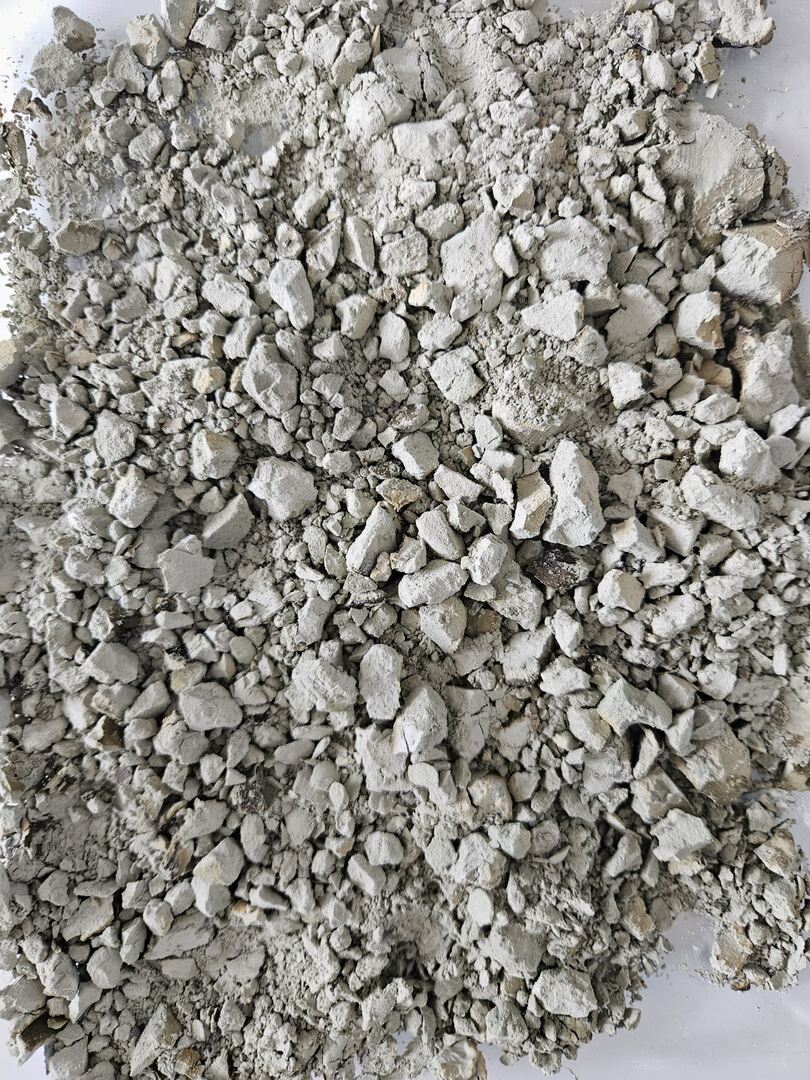
Basic Specification – Sodium Molybdate Na₂MoO₄ 2H₂O
Chemical formula, CAS number and product form
| IUPAC name | Disodium tetraoxidomolybdate |
|---|---|
| Chemical formula | Na₂MoO₄·2H₂O (dihydrate), Na₂MoO₄ (anhydrous) |
| CAS number | 10102-40-6 (dihydrate), 7631-95-0 (non-dihydrate) |
| EC number | 233-207-4 |
| Molar period | 241.95 g/mol (dihydrate), 205.92 g/mol (anhydrous) |
| Contents Mo | ~39.7% (dihydrate), ~46.6% (unknown) |
| Appearance | White crystalline powder |
| Water solubility | ~654 g/l (20°C) |
| pH of the solution (5% in water) | 7,9 – 10,3 |
| Bulk density | 800 – 1200 kg/m³ (depending on granulation) |
| Granulation (d50) | Available upon request – standard <200 µm |
| Loss on drying (LOD) | ≤ 13.0% (dihydrate), according to CoA |
| Thermal stability | Dehydration above 100°C, decomposition above 687°C |
Detailed parameters for a specific batch are available in the Certificate of Analysis (CoA).
Available purities and packaging
We offer sodium molybdate in technical, pure, and pro analytical (p.a.) grades, as well as agricultural grades. The product is available in packages ranging from 1 kg (laboratory samples) to big bags and bulk deliveries for industrial customers. We also offer customized packaging based on customer requirements.
Terms of B2B cooperation – sodium molybdate wholesale
We work with both large manufacturing companies and smaller laboratories and companies seeking regular supplies of chemical raw materials. We offer flexible trading terms, short lead times, and a dedicated sales representative.
Wholesale orders and technical samples
For new customers, we prepare technical samples with full documentation (CoA, SDS). Wholesale orders are processed on a case-by-case basis – contact us to receive a current price offer tailored to your volume and order frequency.
Contact details and inquiry form
We accept inquiries via the contact form on our website, email, or phone. We respond within 24 hours on business days.
Need sodium molybdate?
Get in touch with us!
Ask about current prices, availability, and wholesale discounts. We will respond within 24 hours.
Write or callSodium molybdate – price and pricing factors
The price of sodium molybdate depends on several key factors: the selected product purity (technical, pure, p.a.), the ordered volume, the product form (anhydrous or dihydrate), and the current market conditions for molybdenum raw materials. We offer preferential pricing and volume discounts for regular customers.
Order a sample or request a wholesale quote
Contact our sales department to receive a current price offer, a test sample or technical product documentation.
What is sodium molybdate?
Definition, chemical formula Na₂MoO₄ 2H₂O and general properties
Sodium molybdate is an inorganic chemical compound from the molybdenum salt group, a combination of molybdenum(VI) oxide and sodium hydroxide. It is most commonly found commercially as the dihydrate—Na₂MoO₄·2H₂O—a form containing two molecules of water of crystallization. It is a white, crystalline powder that is highly soluble in water, distinguishing it from many other heavy metal salts and making it particularly useful in agricultural and industrial applications requiring aqueous forms.
Sodium molybdate belongs to the group of molybdenum compounds with an oxidation state of +6, characterized by high chemical stability over a wide pH range. It is one of the primary sources of molybdenum used in industry, agriculture, and laboratories worldwide.
Sodium molybdate and other molybdenum compounds – forms and applications
Molybdenum is available in several chemical forms for industrial and agricultural use. Sodium molybdate (Na₂MoO₄) is characterized by very good water solubility, making it the preferred choice for foliar fertilizers and aqueous solutions. Ammonium molybdate ((NH₄)₂MoO₄) is more commonly used as an analytical reagent and in some catalytic processes. Molybdenum trioxide (MoO₃) is the form used primarily in metallurgy and alloy production. The choice of form depends on the specific application, required solubility, and compatibility with other formulation ingredients.
Physicochemical properties of sodium molybdate
Appearance, water solubility and solution pH
Sodium molybdate dihydrate is a white, crystalline powder with a neutral odor. It has exceptionally high solubility in water – approximately 654 g/l at 20°C – making it one of the more soluble molybdenum salts and enabling the preparation of concentrated working solutions without the need for heating. The aqueous solution is alkaline: the pH of a 5% solution is in the range of 7.9–10.3, which should be taken into account when composing fertilizer mixtures and technical solutions.
Thermal stability and chemical reactivity
Sodium molybdate dihydrate loses water of crystallization above 100°C, transforming into the anhydrous form. Thermal decomposition of the compound occurs above 687°C. Under standard conditions, sodium molybdate is chemically stable, exhibits neither oxidizing nor reducing properties, and is compatible with most construction materials used in the chemical industry. It reacts with strong acids, forming molybdic acid and the corresponding sodium salts.

Application of sodium molybdate
Foliar and soil fertilizers – molybdenum for plants and crops
Sodium molybdate is the primary source of molybdenum used in the production of micronutrient fertilizers. Molybdenum is an essential trace element for plants – it participates in the functioning of nitrate reductase, the enzyme responsible for nitrogen absorption, and in the biological process of atmospheric nitrogen fixation by nodule bacteria in legumes. Sodium molybdate is used both in foliar fertilizers (aqueous solutions) and as a soil amendment, particularly in acidic and molybdenum-deficient soils.
Corrosion Inhibitor – Water Treatment and Cooling Systems
Sodium molybdate is widely used as a corrosion inhibitor in industrial refrigeration systems, water systems, and central heating systems. It creates a protective passivation layer on metal surfaces, effectively inhibiting corrosion processes in carbon steel and metal alloys. It is an alternative to chromates – compounds with significantly higher toxicity – making it the preferred choice in installations requiring low ecotoxicity parameters from the inhibitor.
Catalysts in the chemical and petroleum industries
In the petroleum and chemical industries, sodium molybdate is used as a catalyst precursor for hydrocracking, hydrodesulfurization, and other high-pressure catalytic reactions. Molybdenum in the catalyst composition increases reaction activity and selectivity while extending the life of the catalytic bed. It is also used in organic synthesis as an oxidation catalyst.
Pigments, dyes and ceramics
Sodium molybdate is used as a component of molybdenum pigments used in ceramics, paints, and protective coatings. Molybdate-based pigments are characterized by good thermal and chemical resistance. In the ceramics industry, sodium molybdate serves as a component of glazes and ceramic masses, influencing the optical and mechanical properties of finished products.
Analytical use and as a chemical reagent
In analytical laboratories, sodium molybdate is used as a reagent in the spectrophotometric determination of phosphates (molybdenum blue), in silica analysis, and as a component of microbiological media. Available in pro analytical purity (p.a.), it meets the requirements of analytical and pharmacopoeial standards.
Do you need this product?
Get in touch with us!
Ask about current prices, availability, and wholesale discounts. We will respond within 24 hours.
Write or callSodium molybdate in agriculture – doses and benefits for crops
The Role of Molybdenum in Soil – Nitrate Reductase and Nitrogen Fixation
Molybdenum is a trace element essential for proper plant growth and development, although required in very small quantities. Its key role involves participation in the structure and function of nitrate reductase – an enzyme that converts nitrates taken from the soil into plant-available forms. Molybdenum is also essential for Rhizobium bacteria, which form root nodules on legumes and fix atmospheric nitrogen. Molybdenum deficiency in the soil directly limits the effectiveness of nitrogen fertilization and biological nitrogen fixation, resulting in lower yields and poorer fruit quality.
Molybdenum deficiency – leaf symptoms, impact on growth and yields
Molybdenum deficiency manifests itself through characteristic symptoms on plant leaves: interveinal chlorosis (yellowing of the leaf blade while maintaining green veins), deformation and waviness of leaf margins, and, in advanced cases, necrosis of leaf tissue. In legumes, molybdenum deficiency leads to inhibition of nitrogen fixation and symptoms similar to nitrogen deficiency. Crops most susceptible to molybdenum deficiency are those in acidic soils (pH below 5.5), where molybdenum is poorly available to plants.
Dosage – foliar and soil application, soil pH
For foliar fertilization, sodium molybdate is used at a concentration of 0.05–0.1% (0.5–1 g/l of water), at a dose of 200–400 ml of solution per hectare of crop, typically 50–100 g Mo/ha in pure molybdenum terms. For soil fertilization, higher doses are used, adjusted to soil fertility and analysis results. The effectiveness of sodium molybdate in soil is strongly dependent on pH – at pH above 6.0, molybdenum availability to plants increases significantly. Therefore, in acidic soils, it is recommended to combine molybdenum fertilization with liming.
Sodium molybdate vs ammonium molybdate – differences and choice of form
Sodium molybdate and ammonium molybdate are the two most popular forms of molybdenum used in agriculture and industry. Sodium molybdate is characterized by higher chemical stability over a wide pH range and is preferred in foliar fertilizers and aqueous solutions used in irrigation systems. Ammonium molybdate provides additional ammonium nitrogen, which can be beneficial for some crops, but its solutions are less stable in alkaline conditions. The choice of form should depend on soil pH, crop type, and application method.
Safe use and storage
Classification according to Regulation (EC) No 1272/2008 (CLP/GHS)
Sodium molybdate is classified as a hazardous substance under Regulation (EC) No 1272/2008 of the European Parliament and of the Council (CLP/GHS). It is assigned the following hazard statements: H302 (harmful if swallowed), H318 (causes serious eye damage), and H411 (toxic to aquatic life with long-lasting effects). It is not classified as a carcinogen or mutagen. Full classification and labeling is available on the safety data sheet (SDS) included with each delivery.
Personal protective equipment and rules for working with the preparation
When working with sodium molybdate, wear personal protective equipment: safety glasses or goggles (due to the risk of serious eye damage), chemically resistant protective gloves (nitrile or neoprene), and, when working with dust, an FFP2 dust mask. Avoid contact with eyes and mucous membranes. In case of eye contact, immediately flush with plenty of water for at least 15 minutes and consult a physician.
Storage and disposal
The product should be stored in tightly closed containers in a cool, dry place, away from moisture. When stored correctly, the shelf life is at least 2 years from the date of production. Due to its aquatic toxicity (H411), disposal must be carried out in accordance with local chemical waste regulations. Do not discharge into sewers or surface waters – for details, refer to the safety data sheet (SDS) included with each delivery.
Technical documentation
Safety Data Sheet (SDS), CAS number 10102-40-6 and EC number
Each delivery of sodium molybdate is accompanied by complete technical documentation: a safety data sheet (SDS) compliant with the REACH regulation, a certificate of analysis (CoA) confirming the purity and parameters of the product from a given batch, a product label compliant with CLP and – upon request – documentation of compliance with agricultural or analytical standards.
Certificates and quality standards
Sodium molybdate is available in quality that meets analytical (p.a.), agricultural, and technical standards. Detailed information on available certificates and standards for a given product batch is available upon request.
Do you need this remedy?
Get in touch with us!
Ask about current prices, availability, and wholesale discounts. We will respond within 24 hours.
Write or callFrequently asked questions (FAQ)
-
What is sodium molybdate and what is it used for?
Sodium molybdate (Na₂MoO₄) is the inorganic sodium salt of molybdic acid, most commonly found as the dihydrate Na₂MoO₄ 2H₂O. It is a white, crystalline powder that is highly soluble in water. It is used as a source of molybdenum in micronutrient fertilizers for plants, a corrosion inhibitor in cooling and water systems, a precursor to industrial catalysts, a component of ceramic pigments, and an analytical reagent in research and chemical laboratories.
-
What is another name for sodium molybdate?
Sodium molybdate is used commercially and in the scientific literature under several names. The most common synonyms include sodium molybdate (English name), disodium molybdate, disodium molybdate, sodium salt of molybdic acid, and—for the hydrated form—sodium molybdate dihydrate or Na₂MoO₄·2H₂O. In technical documentation and chemical databases, it is identified by the CAS number 10102-40-6 (dihydrate) or 7631-95-0 (anhydrous form).
-
What is sodium molybdate dihydrate Na₂MoO₄ 2H₂O?
Sodium molybdate dihydrate, or dihydrate, is a commercial form containing two molecules of water of crystallization bound to each Na₂MoO₄ unit. This is the most popular form of sodium molybdate in industrial and agricultural use – stable in storage conditions, easy to dose, and highly soluble in water. Dehydration to the anhydrous form occurs above 100°C. The molar mass of the dihydrate is 241.95 g/mol, while the anhydrous form is 205.92 g/mol, which should be taken into account when calculating doses and molybdenum content in the preparation.
-
What are the main uses of sodium molybdate?
Sodium molybdate has five key applications. First, agriculture: as a source of molybdenum in foliar and soil fertilizers, essential for nitrate reductase and nitrogen fixation. Second, corrosion protection: as a corrosion inhibitor in cooling systems and water installations. Third, catalysis: as a precursor to catalysts in the petroleum and chemical industries. Fourth, ceramics and pigments: as a component of glazes and dyes. Fifth, analytics: as a reagent in the spectrophotometric determination of phosphates and silica.
-
Which company produces and distributes sodium molybdate?
Sodium molybdate is produced and distributed by Elpolap, an experienced manufacturer and distributor of chemical raw materials operating in Poland and Europe. We offer sodium molybdate in various purities: technical, pure, and pro analytical (p.a.), in both dihydrate and anhydrous forms, in packaging ranging from laboratory samples to bulk deliveries. Each delivery includes a Certificate of Analysis (CoA) and Safety Data Sheet (SDS). Contact us for our current wholesale offer.
-
What dose of sodium molybdate per 1 ha of crop?
The dose of sodium molybdate depends on the application method and crop type. Foliar fertilization typically uses 50–100 g of pure molybdenum per hectare (Mo/ha), which corresponds to approximately 170–340 g of sodium molybdate dihydrate per hectare, in a 0.05–0.1% solution. For soil fertilization, doses are higher and should be determined based on soil analysis results. Particular attention should be paid to soil pH – molybdenum's effectiveness increases significantly above pH 6.0.
-
How to dissolve sodium molybdate in water for foliar fertilizer?
Sodium molybdate dissolves very easily in water due to its high solubility (~654 g/l). To prepare a foliar solution, measure the appropriate amount of the product according to the recommended dose, pour it into a container with a small amount of warm water, and stir until completely dissolved. Then, top up to the required volume. Before application, check the solution's pH – the optimal pH for foliar fertilizers is 5.5–7.0. Do not mix with strongly acidic products without first checking compatibility.
-
Sodium molybdate vs ammonium molybdate – which one to choose?
Sodium molybdate is preferred for foliar fertilizers, aqueous solutions, and industrial applications requiring stability over a wide pH range and no additional nitrogen load. Ammonium molybdate also provides ammonium nitrogen, which can be beneficial in some fertilization systems, but its solutions are less stable in alkaline conditions and can release ammonia. For analytical and catalytic applications, the form chosen depends on the process requirements—sodium molybdate is more versatile and easier to store.
-
Is sodium molybdate safe for humans and the environment?
Sodium molybdate requires caution when handling. According to CLP (EC) No. 1272/2008, it is harmful if swallowed (H302), causes serious eye damage (H318), and is toxic to aquatic life with long-lasting effects (H411). It is not classified as a carcinogen or mutagenic. With proper use of personal protective equipment (goggles, gloves), the health risk is minimal. It is crucial to comply with the prohibition on discharge into waters and sewage systems.
-
What effect does soil pH have on the effectiveness of sodium molybdate?
Soil pH has a decisive influence on molybdenum availability to plants. In acidic soils (pH below 5.5), molybdenum is strongly sorbed by iron and aluminum oxides, becoming virtually unavailable to plants despite its presence in the soil. As pH increases, molybdenum availability increases – at pH above 6.0, molybdenum is readily available to plants. Therefore, in acidic soils, fertilization with sodium molybdate should be combined with liming. In foliar fertilization, soil pH is less important, as molybdenum is absorbed directly through the leaves.
-
Where to buy sodium molybdate in Poland?
Sodium molybdate in Poland can be purchased directly from Elpolap – a manufacturer and distributor of chemical raw materials with many years of experience. We offer deliveries throughout Poland and Europe, in various purities and packaging, with full technical documentation. We process both sample orders for laboratories and bulk deliveries for industry and agriculture. Contact us via the form on our website to receive a current quote.
-
How to order sodium molybdate wholesale?
To place a wholesale order for sodium molybdate, contact the Elpolap sales department via the contact form on the website, by email, or by phone. We will prepare a personalized quote based on the volume, required purity, and delivery frequency. For new customers, we offer technical samples with full documentation – a certificate of analysis (CoA) and safety data sheet (SDS). We respond to inquiries within 24 hours on business days and provide technical support at every stage of the relationship.
Contact us about the offer
We accept inquiries via the website form, email, and phone. We respond within 24 hours on business days.
Order a sample and receive a wholesale quote
Phone: 724 967 482
E-mail: kontakt@elpolap.com.pl
Address: Nowa Wieś Królewska 46,
62-304 Nowa Wieś Królewska
Godziny pracy: Poniedziałek – Piątek: 8:00 – 16:00
Sales department working hours:Monday–Friday, 8:00 a.m.–4:00 p.m. We respond to inquiries within 24 business hours.
This information is of a purely technical and commercial nature. It does not constitute an offer within the meaning of the Civil Code. All parameters and technical data are subject to change without prior notice.