Iron phosphate for snails—how does FePO₄ work, and why is it safe?

You go out to your garden bed in the morning and see lettuce with holes in it, and slime trails on the ground. Snails were here last night. Iron phosphate for snails is a proven solution to this problem: an effective molluscicide that is also a much safer alternative than metaldehyde-based products. In this article, we explain how FePO₄ works, how it differs from metaldehyde, and how to properly use iron phosphate products.

3

What is iron phosphate and how does it affect snails?

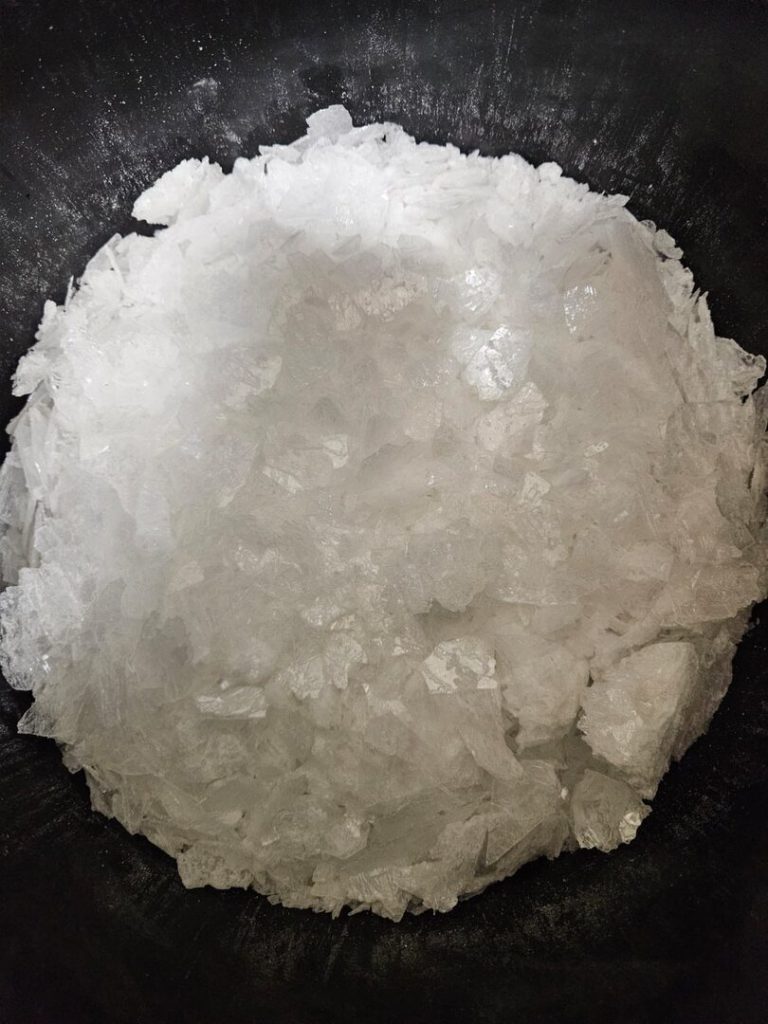
Iron phosphate (chemical formula FePO₄, CAS number: 10045-86-0) is a poorly soluble, inorganic compound of iron and phosphoric acid. Thanks to its low solubility, it remains stable during storage and transport. In molluscicides, it is used in a specially developed formulation that ensures effective uptake by snails. It is the active ingredient in registered molluscicide granules, such as Ferramol.

FePO₄ granules contain attractants and nutrients that make it easier for snails to consume them. After ingesting the granules, physiological processes in the digestive tract are disrupted, causing the snails to stop feeding quickly. Thesnails retreat to their hiding places, usually under leaves or a rock, where they die. This is why you don’t see dead snails lying on the garden bed after treatment—the absence of bodies on the surface is a characteristic of FePO₄-based products, not a sign that the granules didn’t work.

Snails belong to the phylum Mollusca (Mollusca). Iron phosphate-based products are effective against most species of snails that are crop pests, including both naked (shell-less) snails, such as Arion vulgaris and Deroceras reticulatum, and snails with shells. Iron phosphate is approved as an active ingredient in molluscicides within the EU.

Elpolap produces iron phosphate (FePO₄) as a chemical raw material for industry.

Request a quote for FePO₄

Why are iron phosphate preparations safe for humans, animals, and the environment?

One of the arguments supporting its favorable safety profile is the fact that iron phosphate is also approved as a food additive (E585), although its use in food and plant protection products is subject to separate regulations.

For non-target organisms, this substance is characterized by very low toxicity:

  • humans and children
  • dogs and cats
  • birds and hedgehogs
  • earthworms and beneficial soil insects
  • bees and pollinators

After application, iron phosphate gradually enters the natural nutrient cycle in the soil. It does not tend to bioaccumulate and, when used properly, poses no threat to the environment.

In organic farming, plant protection products containing iron phosphate may be used if they meet the requirements of EU Regulation No. 848/2018.

Are blue slug pellets harmful to humans?

Blue snail pellets contain metaldehyde—a synthetic molluscicide that is toxic to vertebrates (dogs, cats, birds). The approval of metaldehyde as an active ingredient was not renewed in the EU under EC Regulation 2019/168, which ended its use in plant protection products as of March 31, 2021. Granules containing iron phosphate may be brown, green, beige, or gray—this depends on the product manufacturer, not on FePO₄ itself. FePO₄ and metaldehyde are two completely different active ingredients: check the ingredients on the label before purchasing.

Iron Phosphate vs. Metaldehyde – Why Choose FePO₄?

For years, metaldehyde was the standard for protecting crops against slugs. It is effective but toxic to dogs, cats, birds, and amphibians. Pursuant to EC Regulation 2019/168, the approval for metaldehyde was not renewed, ending its use in plant protection products in the EU as of March 31, 2021.

As an active ingredient, FePO₄ is currently one of the most important alternatives used in place of metaldehyde: equally effective and with a significantly better safety profile.

CharacteristicFePO₄Metaldehyde
Effectiveness against snailsHighHigh
Safety for vertebratesYesNo
Active ingredient approved in the EUYesNo (since 2021)
Approved for organic farmingYesNo

If you still have old blue metaldehyde granules in stock, their use on outdoor crops is not compliant with current EU regulations.

How to Use Iron Phosphate Products? Dosage and Application

Spread the iron phosphate granules directly onto the soil between plants to control snails that feed at night and at dusk. Apply the granules by hand or with an applicator.

Dosage: Follow the instructions on the label of the specific product. The dosage depends on the registered plant protection product, not on FePO₄ itself.

Application time: in the evening or before expected rainfall. Snails feed at night and on humid days, which increases their activity and contact with the granules.

Where to use: vegetable beds, strawberries, herbs, flower beds, plastic tunnels, greenhouses, and home gardens.

Waiting period and duration of effectiveness: check the label of the specific product—these parameters depend on the particular registered pesticide. Some products claim to be effective for up to 14 days under cover (tunnels, greenhouses).

Granules after rain: most FePO₄ products remain effective after rainfall, according to the manufacturer’s declaration for the specific product. Always check the information on the label.

When does iron phosphate work best?

Snails are most active during two periods: early spring (when snails first emerge after winter as soil temperatures rise) and early fall (August–September, when snails lay eggs in the soil). Treating during these two periods provides the best protection for crops.

Iron Phosphate in Organic Farming – Certification and Regulations

If you operate an ECO-certified farm or are applying for certification, plant protection products containing iron phosphate may be used in organic production in accordance with applicable regulations, provided they have the appropriate authorization.

Legal basis:

  • Regulation (EC) No. 1107/2009 – registration of active ingredients in plant protection products in the EU. Iron phosphate is approved as an active ingredient in molluscicides.
  • EU Regulation No. 848/2018 – organic farming. FePO₄ is included on the list of substances authorized for use in organic production.

Practical note: Only plant protection products containing iron phosphate and meeting regulatory requirements are permitted—not just any FePO₄ raw material. Only plant protection products with a current authorization from the Minister of Agriculture and Rural Development may be legally used. Check the label and authorization number before use.

We produce iron phosphate (FePO₄) for industrial companies and manufacturers of plant protection products.

Request specifications and a quote

Where to buy iron phosphate? Raw material for companies and formulations for farmers

It depends on what you’re looking for. Elpolap does not sell ready-made snail control products—it produces iron phosphate as a chemical raw material for companies that manufacture plant protection products.

Ready-to-use snail control products (for farmers and gardeners): You can buy registered products containing FePO₄ (e.g., Ferramol) at garden centers, agricultural supply stores, and online. Always check the ingredients, the Ministry of Agriculture and Rural Development (MRiRW) approval number, and the approval expiration date on the label.

FePO₄ raw material (manufacturers of preparations and plant protection products): Elpolap Sp. z o.o. is a Polish manufacturer of iron phosphate. If you manufacture plant protection products containing FePO₄ or other molluscicides and are looking for a reliable supplier of this raw material, ask about our wholesale offer. We provide technical documentation—SDS and COA—with every delivery.

Elpolap: FePO₄ manufacturer in Poland.

Contact us

FAQ: Frequently Asked Questions About Iron Phosphate for Snails

Are the blue snail pellets harmful to humans?

The blue pellets contain metaldehyde—a synthetic molluscicide that is toxic to vertebrates (dogs, cats, birds). Iron phosphate pellets can come in various colors (brown, green, beige)—this depends on the manufacturer. Products containing FePO₄ are a much safer alternative and are approved for use in organic farming. Check the ingredients on the label before purchasing.

Are iron phosphate products safe for dogs and cats?

Iron phosphate products carry a much lower risk of poisoning than metaldehyde products. However, if an animal ingests a large amount of the granules, you should always contact a veterinarian.

Does iron sulfate (FeSO₄) work the same way as iron phosphate (FePO₄)?

No. Iron sulfate is sometimes described as a snail deterrent, but it is not an approved active ingredient in molluscicides in the EU. FePO₄ is an approved, well-studied active ingredient with documented effectiveness in plant protection.

How long do iron phosphate granules remain effective?

The duration of effectiveness depends on the specific product and weather conditions. Check the label of the plant protection product you are using—the manufacturer specifies the duration of effectiveness for its formulation.

Does iron phosphate work on slugs (snails without shells)?

Yes. Products containing FePO₄ are effective against most species of slugs that are crop pests in Poland, including Arion vulgaris and Deroceras reticulatum, as well as snails.

Iron phosphate for snails is now the standard in effective crop protection. FePO₄-based formulations are considered a much safer alternative to metaldehyde-based formulations, are approved for use in organic farming, and have a favorable environmental profile. Elpolap produces FePO₄ as a chemical raw material for companies that manufacture plant protection products. Contact us if you are looking for a Polish supplier of iron phosphate.

Silver Nitrate—Applications in Industry, Pharmaceuticals, and Analytical Chemistry

Silver nitrate (AgNO₃) is used in electroplating (electrolytic silver plating), pharmaceuticals, and dentistry (tissue cauterization, pharmaceutical ingredient), chemical analysis (argentometric titration, Tollens’ reagent), and historically in analog photography. Each of these sectors requires a different level of purity for the raw material: silver nitrate used in industrial, pharmaceutical, and analytical applications differs in terms of quality requirements and purchase volume.

azotan srebra
Silver nitrate

Properties of silver nitrate as a chemical raw material

AgNO₃ is a colorless, crystalline solid with a molar mass of 169.87 g/mol and a density of 4.35 g/cm³. It is highly soluble in water: at 25°C, its solubility exceeds 900 g/L, which is exceptional among silver(I) salts. The melting point of silver nitrate is 212°C; above this temperature, thermal decomposition occurs, releasing nitrogen oxides and oxygen and producing metallic silver.

Proper selection of the raw material for a specific application of silver nitrate requires knowledge of its physical-chemical properties. A key characteristic from a storage perspective is its sensitivity to light. Under the influence of UV and visible radiation, Ag⁺ ions undergo photoreduction to metallic silver, causing the sample to darken. For this reason, the raw material is stored in brown or opaque containers, in a cool and dark place.

The Use of Silver Nitrate in Electroplating and Silver Plating

Electrolytic silver plating — the role of AgNO₃ in the silver plating bath

In electrolytic silver plating, silver nitrate is the primary source of silver ions used to prepare industrial electroplating baths. Ag⁺ ions deposit on the cathode, forming a silver coating; the composition of the bath, its pH, and temperature depend on the required thickness and structure of the coating.

Electrolytic silver plating is used where electrical conductivity and corrosion resistance are important: electrical connectors, switch contacts, microelectronic components, and in the decorative industry: cutlery and jewelry.

The purity of the raw material directly affects the quality of the coating. Even trace amounts of chloride ions cause the precipitation of silver chloride (AgCl), which is of significant importance both during the preparation of electroplating baths and in chemical analysis. The content of heavy metals, such as lead or copper, affects the hardness and corrosion resistance of the coating. Therefore, electroplating facilities require AgNO₃ of a strictly defined purity, confirmed by a certificate of analysis (COA) for each batch of raw material.

Synthesis of silver halides and other precursors

Silver nitrate is the primary raw material for the synthesis of silver halides. The reaction of AgNO₃ with hydrochloric acid or chlorides yields silver chloride (AgCl); with bromides, silver bromide (AgBr); and with iodides, silver iodide (AgI). Individual silver halides are used, among other things, in reference electrodes, photosensitive materials, and selected optical applications.Check the specifications and availability of AgNO₃

Silver Nitrate in Pharmacy and Dentistry

In medicine and pharmacy, silver nitrate is known as lapis or hellstone; terms that refer specifically to concentrated preparations in the form of sticks used for cauterizing tissues. The action of silver nitrate is based on protein coagulation: Ag⁺ ions react with the sulfhydryl groups of bacterial enzymes, inhibiting their activity (bactericidal properties), and at higher concentrations, they cause tissue necrosis.

In dentistry, lapis is used to seal open dentin tubules, cauterize granulation tissue, and disinfect cavities prior to filling. Currently, this method is used much less frequently than in the past, having been supplanted by modern dental materials. The Crede procedure, which involves instilling a 1% silver nitrate solution into the eyes of newborns, historically constituted the standard of care for the prevention of gonococcal conjunctivitis; today it has been replaced by antibiotics, though it is still mentioned in pharmaceutical literature.

Pharmacies and compounding laboratories order AgNO₃ as a pharmaceutical raw material compliant with the requirements of the Polish Pharmacopoeia. Pharmaceutical purity differs from technical purity in terms of acceptable impurities: the Polish Pharmacopoeia raw material must meet stricter limits for heavy metals and organic substances.

Silver Nitrate in Chemical Analysis

Analytical laboratories use AgNO₃ primarily in argentometric titration. The Mohr method uses potassium chromate as an indicator and allows for the determination of chloride concentration in aqueous solutions, which is a standard procedure in drinking water and wastewater analysis. The Volhard method, which uses an iron indicator and back titration, is effective for determining chloride concentrations in samples containing interfering substances.

Tollens’ reagent, an ammoniacal solution of silver nitrate containing the diammine silver(I) ion [Ag(NH₃)₂]⁺, is used to detect aldehydes. The reaction of an aldehyde with Tollens’ reagent leads to the reduction of Ag⁺ to metallic silver, which deposits on the walls of the vessel; the “silver mirror” effect is a classic test in organic chemistry and food analysis.

In the identification of halide anions, AgNO₃ allows for the differentiation between chlorides (white AgCl precipitate), bromides (light yellow AgBr precipitate), and iodides (yellow AgI precipitate). The differences in the solubility of these precipitates are so pronounced that the reaction with silver nitrate is one of the fundamental analytical tests in inorganic chemistry.

Silver Nitrate Purity Grades and Applications

The selection of the appropriate purity grade of the raw material depends on the process requirements:

GradeDescriptionTypical Applications
TechnicalBasic purity, acceptable process impuritiesElectroplating, industrial-scale synthesis of silver halides
PureHigher purity, limited impuritiesProcesses requiring homogeneity of the electroplating bath
Analytical grade (pure for analysis)Strictly defined impurity limitsChemical analysis, laboratory reagents
Pharmaceutical (FP)Compliant with the requirements of the Polish PharmacopoeiaPharmacy formulations, dental preparations

AgNO₃ products for laboratories

Historical and other uses of silver nitrate

Analog photography relied on emulsions containing silver halides (primarily AgBr) synthesized from silver nitrate. Although digital photography has replaced silver-based technology, the industrial production of photographic materials was one of the largest uses of AgNO₃ for decades.

The chemical silvering of mirrors is a process of chemical silver deposition (not electroplating): it involves the reduction of silver ions from a silver nitrate solution by aldehydes, hence the colloquial term “mirroring.” Today, in electronics, silver nitrate is one of the basic precursors used to produce silver compounds employed in conductive pastes and contacts.

Safety and Storage of AgNO₃

Silver nitrate is classified under the CLP/GHS regulation as an oxidizing agent (Ox. Sol. 2) and a substance that is corrosive to the skin and eyes. Skin contact causes characteristic black discoloration due to the photoreduction of silver, a phenomenon that is reversible over time, but unsightly. Chronic exposure to silver compounds can lead to argyria, a permanent gray discoloration of the skin.

When working with silver nitrate solution, wear nitrile gloves and eye protection. The substance may react with organic and flammable materials; therefore, it must be stored in a separate area away from reducing agents and flammable substances. When transporting larger quantities, ADR requirements must be followed.

Frequently Asked Questions About Silver Nitrate

What is silver nitrate used for?

Silver nitrate is used in four main areas: electroplating (electrolytic silver plating, synthesis of silver halides), pharmacy and dentistry (cautery paste, pharmaceutical ingredient), chemical analysis (argentometric titration, Tollens’ reagent), and historically in analog photography. Depending on the application, different levels of purity are required.

What are the applications of silver nitrate in industry, laboratories, and pharmacy?

The applications of silver nitrate vary by sector:

Industry: electrolytic silver plating (source of Ag⁺ ions in electroplating baths), synthesis of silver halides (AgCl, AgBr, AgI), chemical silvering of mirrors, production of precursors for electronics.

Laboratory: argentometric titration (Mohr’s method, Volhard’s method) for determining chlorides, Tollens’ reagent for detecting aldehydes, identification of halide anions.

Pharmacy and dentistry: a pharmaceutical ingredient (lapis) for cauterizing tissues, disinfecting, and sealing dentin tubules.

Is silver nitrate harmful?

Silver nitrate is corrosive to the skin and mucous membranes and irritating to the eyes; contact requires the use of personal protective equipment. Due to its GHS classification as an oxidizing agent, it must be stored away from flammable and reducing substances. Detailed health and safety information is provided in the product’s safety data sheet (SDS).

Silver nitrate — a raw material for industry and laboratories

Elpolap manufactures and supplies silver nitrate (AgNO₃) to electroplating plants, analytical laboratories, and formulation labs. Wholesale packaging, quality documentation (Certificate of Analysis (COA), Safety Data Sheet (SDS)), and delivery within Poland.Check out our AgNO₃ offerings

Electrolytic Silver Plating: What Do You Need to Know When Buying Silver Nitrate?

Silver nitrate is the primary raw material used to prepare many industrial silver plating baths. If you operate an electroplating plant or produce electrolytes for silver plating, the quality of silver nitrate (AgNO₃) directly affects the stability of the bath and the reproducibility of the process results.

foto glowna 12

What is electrolytic silver plating?

Electrolytic silver plating is the electrolytic deposition of a silver coating onto a metal surface from a solution containing Ag⁺ ions. It is one of the methods of electroplating, i.e., the electrolytic deposition of durable metallic coatings. Unlike electroforming, the coating is permanently bonded to the substrate. The industry also uses the term “galvanic silver plating,” which is used interchangeably with “electrolytic.”

The process takes place in an electroplating bath with two electrodes: a cathode (a suitably prepared metal component, e.g., made of steel or copper) and an anode. In traditional silver plating baths, silver anodes are used. The flow of electric current causes the reduction of Ag⁺ ions on the cathode surface and the deposition of thin layers of silver covering the surface of the workpiece. Oxidation occurs at the anode. Current density, expressed in A/dm², is one of the key parameters controlling the rate and quality of deposition.

The Role of Silver Nitrate in a Silver Plating Bath

AgNO₃ is the source of silver ions (Ag⁺) in the electrolytic solution. Silver nitrate is used as a component in the preparation of the bath or as a raw material to replenish Ag⁺ ion levels during electrolyte operation.

Several different silver plating technologies are used in the industry: cyanide, thiosulfate, sulfite, and ammonia-based. Each has different requirements regarding electrolyte composition, component concentrations, and process parameters. The common factor is the role of silver nitrate as a source of silver ions for the solution, regardless of the complexing agent used.

Elpolap supplies silver nitrate with a purity of 99.5% and 99.9%, complete with full documentation for electroplating plants and electrolyte manufacturers.

What to Monitor in a Silver Plating Bath

Monitoring bath parameters is essential for process repeatability. Specific target values depend on the technology used and the electrolyte manufacturer’s recommendations; however, regardless of the technology, the same groups of parameters are monitored:

ParameterSignificance for the process
Ag⁺ ion concentrationDetermines the uniformity and rate of coating deposition
Current density (A/dm²)Affects the structure and morphology of the coating
TemperatureAffects the rate of electrochemical processes and the properties of the electrolyte
pHCritical for the stability of the complexing agent and the quality of the deposit
Metallic impuritiesIons of foreign metals can degrade the quality of the coating

Regular replenishment of silver ions and monitoring of contaminants are standard maintenance procedures for any bath in long-term operation.

Applications of Silver Coatings

A silver coating is not just for decoration. Silver has the highest electrical conductivity of any metal, making it the material of choice wherever resistance losses are a concern.

Main areas of application for electrolytic silver plating:

  1. Electronics and electrical engineering: electrical contacts, connectors, printed circuit boards. Silver-plated contacts maintain low contact resistance and resistance to electrochemical corrosion even after thousands of mating cycles.
  2. Technical jewelry and metal accessories: decorative coatings with aesthetic qualities, featuring controlled thickness and uniformity.
  3. Food and specialty industries: selected equipment components, if required by specific technological solutions.
  4. Energy and electrical engineering industries: busbars, high-current contacts, switchgear components.

The durability and quality of the silver coating depend on many factors: surface preparation, process parameters, and the quality of raw materials. The purity of silver nitrate is one piece of this puzzle.

Why the purity of AgNO₃ matters to electroplating plants

Silver nitrate available on the market varies in purity. Technical-grade raw material may contain trace amounts of foreign metal ions, which can accumulate over time in the electrolytic bath and affect the quality of the coating. The presence of metallic impurities can impair the appearance, structure, or performance properties of the deposited silver coating.

The selection of the appropriate purity grade of AgNO3 should be based on the requirements of the technology used and the expected quality of the coating. For many industrial applications, technical grade purity is sufficient. The requirements of precision electronic applications or specialized functional coatings may justify the selection of a higher-purity raw material.

Elpolap manufactures silver nitrate in both purity grades. Each batch is delivered with a certificate of analysis (COA) confirming the declared parameters and a safety data sheet (SDS). The raw material is registered in accordance with REACH. Check the AgNO3 technical specification before ordering.

Frequently Asked Questions

Is silver nitrate required for every silver plating bath?

AgNO3 is a commonly used raw material for preparing and replenishing silver plating baths. Depending on the electrolyte technology, manufacturers of ready-to-use baths may use other silver compounds. If you are purchasing AgNO3 to prepare your own bath or to replenish the electrolyte, make sure that the raw material’s specifications meet the requirements of your technology.

What purity of AgNO3 is required for electroplating?

It depends on the requirements of the plating process being used and the expected coating quality. For standard industrial applications, technical grade 99.5% is sufficient. The requirements of a specific application or a customer’s standards may indicate the need for higher purity. A Certificate of Analysis (COA) allows you to verify the composition of the raw material before use.

How does electrolytic silver plating differ from chemical silver plating?

Electrolytic silver plating requires an external power source and takes place in a controlled tank, ensuring a uniform and repeatable coating thickness. Chemical (non-electrolytic) silver plating is based on a redox reaction without an external current and is suitable for surfaces with complex geometries. Both methods use appropriate silver compounds as a source of Ag⁺ ions, although the bath composition and deposition mechanism differ.

Can AgNO₃ be used in a cyanide-free bath?

Yes. Silver nitrate is a source of Ag⁺ ions in both cyanide-based and cyanide-free baths: thiosulfate, sulfite, and ammonia-based baths. The form in which silver ions are complexed varies depending on the technology, which affects the stability of the bath and the required process parameters.

How should silver nitrate be stored?

AgNO₃ should be stored in tightly sealed containers, in a dry place, away from light and organic substances. When exposed to light, silver ions undergo photoreduction to metallic silver, which causes the material to darken and reduces its purity. Detailed storage requirements are provided in the Safety Data Sheet (SDS) supplied with each batch.

Order silver nitrate for silver plating baths

Elpolap manufactures and supplies silver nitrate for silver plating in 99.5% technical grade and 99.9% pure grades. Each batch comes with a Certificate of Analysis (COA) and a Safety Data Sheet (SDS). Packaging options are available to meet the needs of industrial customers, with delivery throughout Poland.

Request a quote

Copper Compounds in Agriculture – Uses and Effects

Copper is one of the longest-used plant protection agents in the history of agriculture. Its fungicidal and bactericidal properties have been known for over a hundred years —one need only recall the famous Bordeaux mixture, which is still used today in many crops around the world. Modern agriculture, however, has a much wider range of copper-based products at its disposal, tailored more precisely to specific pathogens and growing conditions.

Copper compounds are used both in intensive commercial production, as well as in organic farming, where alternatives to chemical pesticides are very limited. In this article, we explain how they work at the biological level, in which crops they are used, and which chemical forms are most commonly used in practice.

Why Copper Is Important in Agriculture

Copper plays a dual role in agriculture. On the one hand, it is a micronutrient essential for proper plant growth—it participates in enzymatic processes, photosynthesis, chlorophyll synthesis, and nitrogen metabolism. On the other hand, copper ions (Cu²⁺) exhibit strong toxic effects against many fungal and bacterial pathogens, making it a valuable plant protection agent.

Copper deficiency in the soil leads to stunted growth, leaf chlorosis, weakened plant resistance, and reduced yields. Peat, sandy, and strongly alkaline soils are particularly susceptible to deficiencies. Under such conditions, fertilization with copper compounds serves both a protective and a nutritional function.

The importance of copper in plant protection also stems from its availability and acceptability in many production systems, including certified organic farming. This makes it an active substance with a unique status —effective and legally permitted where most chemical agents are prohibited.

Elpofap

How Copper Compounds Work – The Mechanism of Plant Protection

The mechanism of action of copper compounds is based on the release of Cu²⁺ ions, which penetrate the cells of pathogens and disrupt their basic life processes. Copper ions inactivate enzymes, damage cell membranes, and inhibit the germination of fungal spores and the proliferation of bacteria. This action has a broad spectrum—copper is effective against many species of fungi and bacteria simultaneously.

An important characteristic of copper-based products is their contact and surface action. This means that the active ingredient forms a protective layer on the plant’s surface that kills or inhibits pathogens attempting to infect it. Copper-based products act primarily by contact and do not exhibit significant systemic activity—although some penetration of Cu²⁺ ions into plant tissues is possible, particularly in the case of very fine-grained formulations (e.g., copper hydroxide). It is therefore crucial to use them preventatively—before infection occurs, rather than after it has set in.

Fungicidal Action of Copper Compounds

Copper compounds exhibit broad fungistatic and fungicidal activity. Cu²⁺ ions block spore germination and the growth of hyphae on the surface of plant tissue. Copper is effective, among other things, against the causative agents of apple scab and, potato and tomato blight, downy mildew of grapevines, cucumbers, and onions, as well as brown rot and leaf curl of peaches.

Its fungicidal effectiveness is closely linked to the pH of the environment and humidity—under slightly acidic conditions and in the presence of water, copper ions are released more effectively and reach germinating spores more quickly. Therefore, copper treatments applied just before or after expected rainfall—while allowing sufficient time for the product to dry—yield the best results.

Bactericidal Action of Copper Compounds

Copper is one of the few active substances approved for the protection of plants against bacterial diseases. Cu²⁺ ions damage the cell wall and intracellular membranes of bacteria, leading to their death. This effect is particularly important in the case of pathogens for which there are no effective alternatives.

The most important example of its bactericidal use is protection against fire blight (Erwinia amylovora) in fruit growing—a disease that destroys apple trees, pear trees, and other plants in the Rosaceae family, against which copper-based preparations are one of the primary means of protection. Copper is also used to combat bacterial canker in stone fruit trees and bacterial diseases in many vegetable species.

The Use of Copper Compounds in Plant Protection

Copper-based products are widely used on various types of crops—from fruit and vegetable farming, through cereals and rapeseed, to specialty crops. Their effectiveness means they are included in plant protection programs on both conventional and organic farms.

Copper in Orchards

Fruit growing is the area where copper compounds have the longest tradition and the greatest practical significance. Copper-based products are used here primarily to protect apple, pear, peach, cherries, and sweet cherries.

The most important diseases controlled with copper in fruit growing include:

  • apple and pear scab – applications from the start of the growing season, during phases susceptible to infection
  • fire blight – treatments during flowering and after hailstorms or heavy rainfall
  • bacterial canker and peach leaf curl – spray in early spring, before the growing season begins
  • brown rot – as a supplementary measure in stone fruit tree protection programs

Orchard treatments are typically performed several times per season, with the timing adjusted to the plant’s phenology and infection forecasts.

Copper in Vegetable and Potato Cultivation

In vegetable and potato cultivation, copper compounds are primarily used to protect leaves and fruits against fungal and bacterial diseases. Copper treatments are particularly important in the cultivation of tomatoes, cucumbers, peppers, beans, and onions.

A key application is the protection of potatoes against late blight (Phytophthora infestans)—one of the most destructive diseases affecting this crop. Copper-based products are used preventively here, before the disease has a chance to develop, usually starting from the row-closing stage. In tomatoes and cucumbers, copper protects against Alternaria leaf spot, downy mildew, and bacterial leaf blight.

Copper in Grains, Canola, and Corn

Although copper is mainly associated with fruit and vegetable cultivation, it is also used in field crops. In cereals, copper-based products or fertilizers containing Cu are used primarily to correct micronutrient deficiencies, whichmanifest, among other things, as bleached ears and lower yields.

In rapeseed, copper plays both a nutritional and protective role —it supports plant resistance to fungal pathogens and environmental stress. Corn, like cereals, responds to copper deficiencies with growth disturbances and a weakened enzymatic system. Foliar feeding with copper-based formulations in these crops yields measurable yield benefits.

When and how should copper-based products be applied?

The basic principle of copper application is prevention. Copper-based products form a protective barrier on the plant’s surface, but they do not have a curative effect once a pathogen has penetrated the tissues. Treatment should therefore be planned before an expected infection, rather than in response to already visible symptoms of disease.

Key practical guidelines:

  • Treatments should be performed in dry weather, when no precipitation is expected for at least 4–6 hours after application.
  • Avoid treatments in high temperatures (above 25°C) – risk of phytotoxicity.
  • The first seasonal spray applications are often performed just before or at the start of the growing season.
  • Adjust the dosage according to the plant’s growth stage, weather conditions, and the specific product.
  • In organic farming programs, adhere to the limits on copper application—in accordance with EU Regulation 2018/1981, a maximum of 4 kg Cu/ha/year averaged over 7 years, which allows for some flexibility in dosing between seasons.
Elpofap

Copper Compounds Used in Agriculture

Several chemical forms of copper are available on the market, each with different physicochemical properties and practical applications. The choice of the appropriate compound depends on the crop, the pathogen being controlled, and weather conditions.

Copper sulfate

Copper sulfate (CuSO₄) is one of the oldest and most widely used forms of copper in agriculture. It is a component of Bordeaux mixture—a blend of copper sulfate and slaked lime, whose history dates back to the 19th century. It is used as a fungicide and bactericide, as well as a micronutrient fertilizer to supplement copper deficiencies in the soil and for foliar application.

Copper sulfate is highly soluble in water and has high bioavailability of Cu²⁺ ions, which results in rapid action after application. Learn more about copper sulfate.

Copper oxychloride

Copper oxychloride (simplified formula: Cu₂(OH)₃Cl) is a compound with a high content of pure copper, characterized by the slow release of Cu²⁺ ions and good adhesion to plant surfaces. It is worth noting that commercial copper oxychloride preparations may have slightly varying phase compositions—they are mixtures of minerals such as atacamite, botallackite, or clinoatacamite. As a result, it provides longer-lasting protection than copper sulfate and is more resistant to being washed away by precipitation.

Copper oxychloride is widely used in fruit and vegetable farming as a fungicide and bactericide. It is the primary ingredient in many popular copper-based formulations available on the Polish market. Another advantage is its lower risk of phytotoxicity compared to copper sulfate, while maintaining similar efficacy.

Copper hydroxide

Copper hydroxide (Cu(OH)₂) is an active ingredient with very fine particle size, which ensures excellent coverage of plant surfaces and effective release of Cu²⁺ ions. It is particularly valued in protecting crops against fungal and bacterial diseases that require thorough coverage of leaves and fruits.

Copper hydroxide-based formulations are highly effective and well tolerated by plants when applied at the correct dosage. They are used in fruit and vegetable farming as well as in organic farming. Learn more about copper hydroxide.

Copper acetate

Copper(II) acetate (Cu(CH₃COO)₂) is a compound used primarily in technical and industrial applications requiring bactericidal and fungicidal action, including in wood preservation and specialized formulations. It is worth noting that copper acetate has only marginal use in plant protection and does not appearas a commonly used active ingredient in EU pesticide registries (Regulation 1107/2009)—unlike copper sulfate, copper oxychloride, and copper hydroxide.

Learn more about copper acetate.

Advantages and Limitations of Using Copper in Agriculture

Copper compounds have a well-established role in plant protection, but like any active ingredient, they require informed and responsible use.

Advantages of copper-based products:

  • Broad spectrum of activity—effective against many species of fungi and bacteria simultaneously.
  • Approved for organic farming – one of the few active ingredients permitted in certified organic production.
  • No risk of resistance development – copper acts in multiple ways, which minimizes the selection of resistant pathogen strains.
  • A long history of use and well-documented effectiveness in agricultural practice.
  • Nutritional function – replenishes micronutrient deficiencies in copper-deficient soils.

Limitations and risks:

  • Risk of phytotoxicity—excessively high doses or applications under stressful conditions (heat, frost) may cause plant damage.
  • Contact action only – ineffective once the pathogen has penetrated plant tissues.
  • Dependence on weather conditions – rainfall immediately after application washes the product off the plant surface.
  • Accumulation in the soil – long-term use of high doses leads to copper accumulation in the soil and has a negative impact on soil organisms.
  • Regulatory requirements – EU Regulation 2018/1981 sets a limit of 4 kg Cu/ha/year averaged over 7 years, which requires long-term planning of the protection program.
Elpofap

FAQ – Frequently Asked Questions About Copper Compounds in Agriculture

What does copper do in plant protection?

Copper has fungicidal and bactericidal properties. It is effective against, among others, apple scab, potato and tomato blight, fire blight, downy mildew, and bacterial diseases of many species of fruit trees and vegetables.

Are copper-based products effective against bacterial diseases?

Yes. Copper is one of the few active substances effective against bacterial plant diseases. It is particularly important in protecting orchards against fire blight and stone fruit trees against bacterial canker.

Can copper compounds be used in organic farming?

Yes, copper is approved for use in certified organic farming within the European Union, but with a limit of up to 4 kg Cu/ha/year (averaged over 7 years). This is one of the exceptions to the ban on the use of synthetic plant protection products in organic production.

How does copper oxychloride differ from copper hydroxide?

Copper oxychloride is characterized by a slower release of Cu²⁺ ions and good resistance to wash-off, which results in longer-lasting protection. Copper hydroxide has very fine particles, ensuring better coverage of plant surfaces and faster release of the active ingredient. Both compounds are effective, and the choice depends on specific growing conditions and the protection program being used.

When is the best time to apply copper-based products?

Copper is best applied preventatively—before an expected infection, not after disease symptoms appear. Treatments should be performed in dry weather, at temperatures below 25°C, avoiding periods of intense plant growth and stress. In fruit growing, spraying in early spring and during critical phases for specific pathogens is crucial.

Summary

Copper compounds remain one of the most important plant protection tools in modern agriculture. Their uniqueness lies in combining a broad spectrum of fungicidal and bactericidal activity with approval for use in organic farming and a long history of proven application.

However, the effective use of copper requires knowledge—of its mechanism of action, the proper timing of application, the selection of the appropriate chemical form for a specific crop and pathogen, and compliance with environmental regulations. Copper sulfate, copper oxychloride, and copper hydroxide are the three main active ingredients used in plant protection, and choosing the right one directly impacts the effectiveness of protection and the safety of the crop.

A well-planned protection program using copper-based products is an investment in plant health, crop quality, and production stability—regardless of whether you run a conventional or organic farm.

How should chemical raw materials be transported?

Challenges and Importance of Safe Transportation of Chemical Raw Materials

The transport of chemical raw materials is one of the most demanding and high-stakes areas of industrial logistics. Chemicals are used in nearly every industry—from pharmaceuticals and agriculture to the production of plastics and cosmetics. Transporting them properly requires not only knowledge of regulations but also an awareness of potential hazards.

The safe transport of chemical raw materials protects human life and health, the natural environment, and property. Improper handling can lead to serious consequences — such as leaks of toxic substances, fires, explosions, or soil and water contamination. The importance of chemical transport goes beyond economic considerations—it is, above all, a matter of social and environmental responsibility.

The primary hazards associated with the transport of chemicals include toxicity, flammability, corrosiveness, chemical reactivity, and the risk of explosion. Each of these properties requires specific precautions, appropriate packaging, and emergency response procedures. Therefore, the safety of chemical transport is governed by detailed international and national regulations that must be strictly adhered to by all participants in the logistics chain.

Legal Regulations and Standards for the Transport of Chemical Raw Materials

The regulatory framework governing the transport of hazardous substances is complex and covers various modes of transport and transportation routes. Regulations for the transport of chemicals have been harmonized at the international level, which facilitates the transport of goods across national borders and ensuresuniform safety standards.

The ADR regulations constitute the fundamental set of rules governing the international transport of dangerous goods by road in Europe. They specify the classification of substances, as well as requirements for vehicles, packaging, labeling, and personnel qualifications. Maritime transport is regulated by the IMDG Code (International Maritime Dangerous Goods Code), while air transport is subject to IATA (International Air Transport Association) regulations.

In Poland, additional national laws apply, including the Act on the Transport of Dangerous Goods and its implementing regulations. Businesses involved in the transport of chemical raw materials must be familiar with and comply with both international and local regulations, which may impose additional requirements or restrictions.

What is the ADR Convention?

The ADR Convention (Accord Dangereuses Route) is a European agreement concerning the international transport of dangerous goods by road, which has been in force since 1968. This document has been ratified by most European countries and is regularly updated to account for technological advances and new hazards.

The ADR classifies hazardous substances into nine classes based on the type of hazard: explosives, gases, flammable liquids, flammable solids, oxidizing substances, toxic substances, radioactive materials, corrosive substances, and other dangerous substances. Each class has specific transportation requirements.

The Convention also specifies technical requirements for vehicles transporting chemicals —from the design of tanks, through safety systems, to external markings. Vehicles must be equipped with appropriate emergency equipment, fire extinguishers, and neutralizing agents in case of a leak.

International and National Regulations

In addition to ADR, the transport of chemicals is regulated by numerous other legal acts. The CLP Regulation (Classification, Labeling, and Packaging) sets forth the rules for the classification, labeling, and packaging of chemical substances in the European Union. The GHS (Globally Harmonized System) standardizes classification and labeling on a global level.

In maritime transport, the IMDG Code is crucial; it describes in detail the procedures for loading, the stowage of containers on ships, and emergency procedures at sea. IATA regulations governing air transport are the most restrictive due to the specific hazards associated with air transport.

National regulations may impose additional requirements, such as a ban on transporting certain substances through city centers, mandatory routes, or specific insurance requirements. Environmental protection in the transport of chemicals is a priority at the local level as well, which is reflected in the relevant regulations.

Organizing the Transport of Chemical Raw Materials

Organizing the transport of chemical raw materials begins with careful planning of the entire logistics process. It is crucial to identify the substance being transported, determine its chemical and physical properties, and assess potential hazards. Based on this information, the appropriate mode of transport, type of packaging, and route are selected

The choice of mode of transport depends on many factors: the type and quantity of chemicals being transported, distance, infrastructure availability, and costs. Road transport is the most flexible and is most commonly used to transport chemical raw materials over short and medium distances. Rail transport is suitable for larger volumes and longer routes. Sea and air transport are used for international shipments.

Transport documentation must include detailed information about the cargo: a safety data sheet (SDS), written instructions for the driver, the vehicle’s ADR certificate, packaging approval certificates, and insurance documents. Missing or incorrectly completed documentation may result in the vehicle being detained and heavy fines.

The route plan should aim to avoid densely populated areas and sensitive facilities (schools, hospitals, water reservoirs), and ensure access to emergency response points in the event of an accident. Many countries require that routes for the transport of particularly dangerous cargo be reported to the appropriate authorities.

Selection of the mode of transport (tankers, containers, drums, bags)

Road or rail tankers are the primary means of transporting liquid chemicals in large quantities. Tankers can be single-compartment or multi-compartment, made of stainless steel, aluminum, or plastic, depending on the properties of the substance being transported. They must be equipped with safety valves, degassing systems, and labeling in accordance with ADR.

ISO tanks are used in multimodal transport — they can be transferred between different modes of transport without reloading their contents. They are particularly popular for the international transport of liquid chemicals. Steel or plastic drums are used for medium quantities of substances — their capacity is typically 200–220 liters.

Bags and canisters are used to transport smaller quantities of solid or liquid chemicals. They must be made of materials resistant to the substance being transported and must have the appropriate certifications. Chemical packaging should be inspected before each shipment for mechanical damage or corrosion.

Documentation and Labeling of Goods

Every shipment of hazardous substances requires a complete set of documentation. The Safety Data Sheet (SDS – Safety Data Sheet) contains detailed information on chemical properties, hazards, precautions, and emergency procedures. This document must be available to the driver and emergency services in the language of the country in question.

Written instructions for the driver are a standardized document specifying actions to take in the event of an accident or emergency. It contains information on the type of hazard, personal protective equipment, evacuation procedures, and emergency numbers. The driver’s ADR training certificate confirms his or her qualification to transport dangerous goods.

The labeling of goods plays a key role in identifying hazards. Vehicles transporting chemicals must be marked with orange placards displaying the hazard identification number and the UN number of the substance. Packagingmust be marked with appropriate warning labels (pictograms) indicating the type of hazard—flammability, toxicity, corrosiveness, etc.

Securing the Load and Storing Chemical Raw Materials

Proper load securing is essential for the safe transport of chemicals. Packages must be properly arranged and secured in the vehicle to prevent them from shifting while the vehicle is in motion. Transport straps, blocking beams, and materials to fill the spaces between packages are used.

Temperature control is critical for many thermally sensitive chemicals. Some substances require temperature-controlled transport—in such cases, tankers are equipped with cooling or heating systems. Monitoring the cargo during transport may involve GPS systems, temperature sensors, and leak detectors.

The storage of chemical raw materials before and after transport is also subject to strict regulations. Storage facilities must be properly secured, ventilated, and equipped with fire suppression systems. Chemically incompatible substances must be stored separately to avoid dangerous reactions in the event of a leak.

The transshipment of chemicals is a time when accidents are particularly likely to occur. It requires the presence of trained personnel, the use of appropriate equipment, and adherence to safety procedures. Transshipment areas should be equipped with neutralizing agents and emergency response equipment.

Packaging: Types, Materials, Certifications

Packaging for the transport of chemicals must meet the stringent requirements specified in the ADR regulations. They are classified according to packing groups: I (highly hazardous substances), II (moderately hazardous substances), and III (slightly hazardous substances). Each group requires packaging with appropriate strength.

The materials used to manufacture packaging are selected based on the chemical properties of the substance being transported. Stainless steel is used for corrosive substances, high-density polyethylene (HDPE) for many acids and bases, and aluminum for moisture-sensitive substances. Glass containers in protective casings are used for small quantities of laboratory reagents.

Every container intended for the transport of dangerous goods must have a UN certificate confirming that it has passed strength tests: drop, leak, internal pressure, and stacking resistance. The certification is valid for a specified period and requires regular inspections.

Personal Protective Equipment

Personnel involved in the loading, unloading, and transport of chemicals must be equipped with appropriate personal protective equipment (PPE). The basic kit includes chemical-resistant gloves, safety goggles or a face shield, work clothing, and safety footwear. The type of PPE is selected based on the properties of the substances being transported.

In the case of highly toxic substances or hazardous gases, the use of respirators or gas masks is necessary. Personnel must be trained in the proper donning, use, and maintenance of protective equipment. Inadequate protection can lead to seriouspoisoning or injury.

Vehicles transporting chemicals must be equipped with an emergency protective equipment kit for the driver and emergency responders. This kit should also include absorbent materials, a shovel, a broom, containers for collecting spilled substances, and emergency response instructions.

Control and Monitoring During Transport

Modern monitoring systems use GPS technology to track vehicle locations in real time. This allows for ongoing monitoring of the route, speed, and stop times. If there is a deviation from the planned route or a stop in a prohibited area, the system generates an alarm.

Sensors installed in tankers monitor critical parameters: temperature, pressure, fill level, and potential leaks. The data is transmitted to the logistics center, where specialists can respond if any irregularities are detected. Such monitoring significantly enhances the safe transport of chemical raw materials.

Regular technical inspections of vehicles are another key element in ensuring safety. Tankers and other components require periodic inspections, leak tests, and checks of the condition of safety systems. Inspection records must be maintained in accordance with legal requirements.

Potential Hazards and Emergency Situations

The risks associated with chemical transport are multifaceted and can have serious consequences for people and the environment. Spills of toxic substances pose a threat to human health and can contaminate the environment for many years. Fires and explosions involving flammable chemicals pose a threat to life and can cause extensive property damage.

Chemical reactions can occur as a result of incompatible substances mixing during an accident or if packaging is damaged. Some reactions are violent and exothermic, leading to a rise in temperature, the formation of toxic gases, or explosions. Therefore, the transport of mixed cargo requires special caution.

Chemical incidents can result from human error, a vehicle malfunction, a traffic accident, or natural forces (storms, floods, earthquakes). Properly trained personnel and emergency procedures are crucial for minimizing the consequences of such incidents.

Weather conditions also affect transport safety. High temperatures can increase pressure inside sealed containers, causing them to rupture. Low temperatures can alter the properties of certain substances or cause crystallization. Extreme weather conditions increase the risk of traffic accidents.

Procedure in the Event of a Spill

In the event of a chemical spill, the first step is to secure the scene and evacuate people from the affected area. The driver should immediately notify emergency services, providing the exact location, the type of substance being transported (UN number), and the scale of the spill.

Attempts to contain the spill may only be made if it is safe to do so and if personnel have the appropriate protective equipment. Small liquid spills can be contained using absorbent materials, such as chemical sorbents, sand, or soil. Larger spills require the intervention of specialized emergency response teams.

In the event of a spill of toxic or corrosive substances, it is necessary to establish a safety zone and monitor the direction of the contamination’s spread. Prevent the substance from entering the sewer system, waterways, or the ground. Contaminated materials must be collected and sent for disposal as hazardous waste.

Documentation of the incident is mandatory and should include a description of the circumstances, the actions taken, and the consequences of the spill. This information serves as the basis for drawing conclusions and preventing similar incidents in the future.

Safety of Drivers and Employees

Drivers transporting hazardous materials must hold a valid ADR certificate, which is obtained after completing specialized training and passing an exam. The training covers knowledge of regulations, the properties of hazardous substances, emergency procedures, and the use of emergency equipment.

Regular medical examinations for drivers are mandatory, as the transport of chemicals requires full mental and physical fitness. Drivers must comply with working and rest time regulations to ensure that fatigue does not increase the risk of an accident. Driving vehicles carrying chemical cargo while intoxicated or under the influence of intoxicating substances is strictly punished.

Employees involved in loading and unloading also require appropriate training. They must be familiar with safety procedures, be able to recognize hazard labels, and use personal protective equipment. Regular refresher training ensures that a high level of hazard awareness is maintained.

A safety culture in transportation companies should promote the reporting of potential hazards, incident analysis, and continuous improvement of procedures. Employers are responsible for ensuring safe working conditions and providing appropriate equipment.

Examples of chemical raw material transport in practice

Examples of chemical transport demonstrate the variety of solutions used depending on the properties of the substances. Rock salt, which is a relatively safe substance, is transported in large quantities by dump trucks or in rail containers. It does not require any special precautions beyond standard protection against moisture.

Sulfuric acid, a corrosive substance, is transported in special tankers made of corrosion-resistant steel or lined with chemical-resistant materials. The tankers must be equipped with safety valves and abreathing valves. Transporting this substance requires the driver to hold an ADR Class 8 certificate (corrosive substances).

Ammonia, a toxic and flammable gas, is transported in pressurized tanks in a liquefied state. Vehicles must meet the most stringent safety requirements, and drivers must possess the appropriate qualifications. Ammonia is often transported along routes that bypass city centers.

Crude oil and its derivatives are transported in enormous quantities by sea in tankers, by land in rail and road tankers, and via pipelines. Pipeline transport is the safest for the environment, although it requires significant infrastructure investments.

Road, Sea, and Air Transport

Road transport is the most flexible method of moving chemicals, enabling door-to–door delivery. It utilizes tankers with capacities ranging from a few to several dozen cubic meters, box trucks carrying pallets or containers, and specialized vehicles for transporting liquefied gases.

Maritime transport is used to transport large quantities of chemicals over long international distances. Chemical tankers are specialized ships with multiple separate tanks, allowing them to transport different substances simultaneously. Maritime transport is subject to the MARPOL Convention, which prevents marine pollution.

Air transport of chemicals is the most limited due to risks and costs. It is used primarily to transport small quantities of high-value substances, laboratory reagents, or pharmaceutical products. IATA regulations impose very strict requirements regarding packaging and labeling.

Rail transport is suitable for large volumes over medium and long distances. Rail tank cars can carry from several dozen to over one hundred metric tons of chemicals. The advantages include a lower risk of accidents compared to road transport and a lower unit cost.

Innovations in Chemical Logistics

Modern chemical logistics uses advanced technologies to increase safety and efficiency. Telematics systems allow for real-time fleet monitoring, automatic notifications of route deviations, and the recording of all transport parameters. This data is used for optimize processes and analyze risks.

Digitizing transport documentation eliminates errors resulting from manually filling out forms. Electronic data interchange (EDI) systems speed up the flow of information between the shipper, carrier, and recipient. QR codes on packaging provide quick access to safety data sheets and emergency instructions.

The development of autonomous vehicles may revolutionize the transport of chemicals in the future by eliminating the risk of human error. Drones are also being tested to deliver small quantities of chemicals, particularly to hard-to-reach locations. Environmental protection in transportation is becoming a priority, driving the development of electric vehicles and those powered by alternative fuels.

Artificial intelligence is used to predict optimal routes, taking into account weather conditions, traffic volume, and the location of emergency services. Algorithms analyze historical incident data to identify high-risk areas and suggest alternative routes.

Frequently Asked Questions (FAQ)

What documents are required when transporting chemical raw materials?

The following are required: a safety data sheet (SDS), written instructions for the driver, an ADR vehicle approval certificate, a UN packaging certificate, a waybill containing information about the hazardous substance, the driver’s ADR training certificate, and insurance documents. Transport documentation must be complete and available throughout the entire transport.

What qualifications must a driver transporting chemicals have?

The driver must hold a driver’s license of the appropriate category and a valid ADR certificate (certificate of training for drivers transporting dangerous goods). The ADR certificate is obtained after completing a course and passing an exam before a commission. The certificate must be renewedevery 5 years by participating in a refresher course.

How to choose the right packaging for transporting chemicals?

The choice of packaging depends on the chemical and physical properties of the substances, its packing group (I, II, or III), and the mode of transport. Packaging for transporting chemicals must be UN-certified and made of a material resistant to the substance being transported. Always consult the safety data sheet.

How to prevent leaks during the transport of chemicals?

It is crucial to use certified packaging in good condition, properly secure the cargo to prevent shifting, regular leak checks before loading, adhering to filling standards (leaving headspace), and monitoring parameters during transport. It is also important to train personnel on proper loading procedures.

Are there any restrictions on international transport?

Yes, each country may impose additional restrictions on the transit of hazardous substances. These may include bans on the transport of specific substances, required routes, requirements to notify authorities, or additional insurance requirements. Before transporting chemical raw materials across borders, you should check the regulations of the transit and destination countries.

Summary and Sources of Information

The transport of chemical raw materials is a complex process requiring comprehensive knowledge, compliance with numerous regulations, and the application of proven safety procedures. The ADR regulations provide the legal basis for road transport in Europe, but each mode of transport has its own specific regulations.

The key to safe transport is proper staff training, the use of certified packaging, accurate documentation, and monitoring of the entire logistics process. The safety of chemical transport depends on every participant in the chain—from the shipper, through the carrier, to the recipient.

Transportation risks associated with chemicals can be minimized through proper planning, the use of modern technologies, and fostering a culture of safety within organizations. Chemical packaging and means of transport must be regularly inspected and maintained in proper working order.

To deepen your knowledge, it is worth consulting official sources: the website of the General Inspectorate of Road Transport (GITD), which publishes current regulations and guidelines regarding the transport of dangerous goods; the Railway Transport Office’s portal regarding RID regulations; and the International Maritime Organization (IMO) documentation concerning the IMDG Code.

Industry organizations, such as the Polish Road Transport Employers’ Association and the Chamber of Industry and Commerce, offer training courses, seminars, and publications to support businesses in operating in accordance with best practices. Regularly monitoring changes in regulations and participating in training are essential for maintaining the highest standards of chemical transport safety and environmental protection in transport.

How do chemical raw materials differ from mineral and biological ones?

Raw Materials – Basics of Classification and Role in the Economy

Raw materials are the foundation of the modern economy and civilization. They are natural or manufactured substances used in production and industrial processes as well as in everyday life. Understanding the classification of raw materials into chemical, mineral, and biological categories is crucial for both effective resource management and sustainable development planning.

Classifying raw materials allows for a better understanding of their properties, origins, and potential applications. Types of raw materials differ in terms of availability, extraction methods, sustainability, and environmental impact. Raw materials in the economy play a variety of roles—from basic building materials, to chemicals used in industry, to sources of energy and food.

Modern industry relies on the use of all three main categories of raw materials. Their proper identification and characterization enable the optimization of production processes, reduce costs, and minimize the negative impact of human activity on ecosystems. In an era of growing environmental awareness, the distinction between renewable and non-renewable raw materials is becoming particularly important for the economic strategies of countries and companies.

Chemical Raw Materials – Definition, Sources, and Examples

The definition of chemical raw materials refers to substances used as substrates in chemical reactions or as basic components for the synthesis of other chemical compounds. These are materials with a specific chemical composition that can be obtained from nature or produced synthetically through industrial processes.

The classification of chemical raw materials encompasses two main categories. The first consists of natural raw materials, obtained directly from natural sources—these include crude oil, natural gas, rock salt, and phosphate rock. The second category consists of synthetic raw materials, produced in chemical plants through complex technological processes. Examples include polymers, plastics, and synthetic fertilizers.

Examples of chemical raw materials include a wide range of substances used in various industries. Sulfuric acid, one of the most important products of the chemical industry, is used in fertilizer production, oil refining, and metal processing. Ammonia is a basic raw material for the production of nitrogen fertilizers and many other chemical compounds. Rock salt, or sodium chloride, is used not only in the food industry but also as a raw material for the production of chlorine and caustic soda.

Applications of Chemical Raw Materials

Chemical raw materials are used in nearly all areas of modern industry. In the pharmaceutical industry, they form the basis for the synthesis of drugs and medical preparations. The cosmetics industry uses them to produce creams, shampoos, and perfumes. The food industry uses chemical raw materials as preservatives, colorants, and acidity regulators.

In agriculture, chemical raw materials play a key role as mineral fertilizers and plant protection products. The automotive industry uses them to produce fuels, lubricants, and operating fluids. Numerous chemical compounds are also used in construction—from adhesives and paints to mortars and insulation.

Chemical Properties and Production Processes

The properties of chemical raw materials determine their reactivity, thermal stability, solubility, and ability to form bonds with other substances. The production processes for synthetic raw materials involve complex chemical reactions carried out under controlled conditions—at specific temperatures and pressures and in the presence of catalysts.

The modern chemical industry focuses on environmentally friendly technologies that minimize waste generation and pollutant emissions. Production processes are optimized for energy and economic efficiency. Recycled raw materials are also gaining in importance, which aligns with the concept of a circular economy.

Mineral Raw Materials – Characteristics and Importance

Mineral resources are natural solid substances found in the Earth’s crust, extracted primarily through mining. They are characterized by a specific chemical composition and crystalline structure formed as a result of geological processes occurring over millions of years.

The classification of mineral resources is based on their chemical composition and application. Metallic raw materials, such as iron, copper, aluminum, and gold ores, are sources of metals used in industry. Nonmetallic raw materials include sulfur, graphite, talc, and gypsum—and are used in various industrial processes without the need for metal smelting. Rock raw materials, including limestone, granite, sand, and clay, are basic building materials.

Properties of mineral raw materials stem from their crystalline structure and chemical composition. They are characterized by specific hardness, density, cleavage, and color. These physical characteristics determine their practical applications. The geological origin of mineral raw materials is linked with magmatic, sedimentary, or metamorphic processes that shaped their structure over geological eras.

Examples of Mineral Resources

Iron ore is the primary raw material for steel production, which is the foundation of modern construction and the machinery industry. Copper ore is used in the electrical and electronics industries due to the metal’s excellent electrical conductivity. Bauxite, as an aluminum ore, is used in aviation, transportation, and packaging production.

Among non-metallic raw materials, limestone is of particular importance; it is used in the production of cement and building lime, as well as a soil amendment in agriculture. Quartz sand is the primary component of glass and is also used in construction and the foundry industry. Potassium salt is a valuable raw material for the production of mineral fertilizers.

Extraction and Processing

Mineral resources are extracted using open-pit or underground mining methods, depending on the depth of the deposit and geological conditions. Open-pit methods are used for surface deposits, while deep mines are used for resources located deep below the earth’s surface.

The processing of mineral resources involves enrichment processes that increase the concentration of the useful component by removing waste rock. In the case of metal ores, further metallurgical processing takes place—the smelting of metal in smelting furnaces. Rock raw materials are crushed, ground, and classified to obtain materials with the appropriate particle size for specific applications.

Biological Raw Materials – Origin and Use

Biological raw materials are materials of organic origin, obtained from living organisms or resulting from their metabolism. They are characterized by a renewable life cycle, which is a fundamental difference compared to mineral raw materials or most chemical raw materials.

The classification of biological raw materials is based on their origin. Plant-based raw materials include wood, cotton, flax, natural rubber, oilseeds, and grains. Animal-based raw materials include, among others, wool, leather, silk, milk, and animal fats. The biological characteristics of these materials are related to their cellular structure, water content, chemical composition, and susceptibility to biodegradation.

The applications of biological raw materials are extremely broad and encompass virtually all aspects of human life. The renewable cycle of these resources means that, with proper management, they can serve as a sustainable source of materials for future generations. Their use has a long history—much longer than the exploitation of mineral resources or the production of synthetic chemicals.

Examples of bio-based raw materials

Wood remains one of the most important biological raw materials, used in construction, furniture manufacturing, papermaking, and as an energy source. Cotton is a primary textile raw material used to produce clothing, home textiles, and technical fabrics. Natural rubber, extracted from the sap of rubber trees, is used to manufacture tires, seals, and other rubber products.

Among animal-based raw materials, sheep’s wool remains a valuable textile material with excellent thermal insulation properties. Natural leather is used in the production of footwear, leather goods, and upholstered furniture. Milk and dairy products form the basis of the dairy industry, while animal fats are used in the food and cosmetics industries.

Impact on the Environment and the Economy

Biomass has a relatively smaller negative impact on the environment compared to non-renewable resources, provided they are managed sustainably. Plants absorb carbon dioxide as they grow, which partially offsets the emissions generated during processing. Bio-based materials are biodegradable, which facilitates their disposal and reduces the waste problem.

Economically, bio-based raw materials support rural development and create jobs in agriculture, forestry, and the processing industry. The bioeconomy—an economic model based on renewable biological resources—is gaining in importance. Industry is striving to replace fossil-based raw materials with biological materials, as reflected in the development of bioplastics, biofuels, and biocosmetics.

Key Differences Between Chemical, Mineral, and Biological Raw Materials

The differences between chemical and mineral raw materials and the differences between biological and mineral raw materials can be systematically presented in terms of several key aspects.

Origin is the fundamental difference between these groups. Mineral raw materials are formed through geological processes and occur naturally in the Earth’s crust. Chemical raw materials can be natural or synthetic—produced through industrial processes. Natural biological raw materials come from living organisms and are produced through biological processes.

Durability and renewability are another key aspect of this distinction. Mineral raw materials are non-renewable—their reserves are limited, and once depleted, they cannot be replenished within a human lifetime. Synthetic chemical raw materials depend on the availability of feedstocks, which are often non-renewable as well. Biological raw materials are characterized by a renewable cycle—with proper management, they can be harvested continuously.

Susceptibility to changes and storage requirements vary significantly among these groups. Mineral raw materials are chemically stable and can be stored for long periods without special precautions. Chemical raw materials often require special storage conditions due to their reactivity or toxicity. Biological raw materials are susceptible to rotting, mold, and pests, requiring controlled storage conditions.

Comparison of Physical and Chemical Properties

The physical properties of mineral raw materials include high hardness, specific density, and thermal stability. They are characterized by a crystalline structure and predictable mechanical properties. Chemical raw materials exhibit a wide range of properties—from gases to solids, with varying reactivity and solubility. Biological raw materials have a cellular structure, high water content, and properties that vary depending on the growth conditions of the source organism.

Chemically speaking, mineral raw materials have a constant composition defined by a chemical formula. Chemical raw materials are characterized by a precisely defined molecular structure and purity. Biological raw materials have a complex chemical composition, including proteins, carbohydrates, fats, and other organic compounds, and their properties may vary even within the same species.

Examples of Applications and Advantages

Mineral raw materials dominate the construction, metallurgical, and ceramics industries, where high durability and stability are required. Their advantages include availability in large quantities and predictable performance characteristics. Chemical raw materials are used where specific chemical properties not found in natural materials are needed. Their advantage lies in the ability to precisely engineer their properties.

Biological raw materials have an advantage in terms of sustainability and environmental protection. Their biodegradability, renewability, and carbon neutrality make them the preferred choice for environmentally friendly applications. The use of bio-based materials also supports the local economy and reduces dependence on imports of non-renewable raw materials.

The Use and Importance of Specific Groups of Raw Materials in Industry and Everyday Life

The chemical industry is dominated by chemical raw materials, which are used to synthesize thousands of different products—from medicines to detergents, to plastics. This industry also relies on mineral raw materials, such as rock salt and sulfur, and, increasingly, on biological raw materials used in biotechnology.

The food industry relies primarily on biological raw materials—grains, fruits, vegetables, meat, and milk. It also uses chemical raw materials as food additives—preservatives, acidity regulators, or mineral supplements. Mineral raw materials, such as table salt, also play an important role in food processing.

The construction industry makes extensive use of mineral raw materials—cement, sand, gravel, stone, and ceramics. Biological raw materials, mainly wood, are used in structures, finishes, and insulation. The chemical industry supplies adhesives, paints, varnishes, and synthetic insulation. This combination of various types of raw materials allows for the creation of modern, functional buildings.

Traditional energy production relied on mineral resources—coal, uranium ore – as well as naturally occurring chemical raw materials—crude oil and natural gas. The current energy transition is leading to a rise in the importance of biological raw materials used in the production of biogas, biofuels, and biopellets. This reflects a dynamic shift in raw materials within the global economy.

Environmental Impact and Sustainable Development

Different groups of raw materials have varying impacts on the natural environment. The extraction of mineral resources is associated with land degradation, water pollution, and dust emissions. However, with the use of appropriate technologies, it is possible to reclaim post-mining sites and minimize environmental damage.

The production and use of chemical raw materials can lead to the emission of pollutants into the air, water, and soil. The modern chemical industry invests in clean technologies, recycling, and waste reduction methods. The development of green chemistry aims to design processes and products that minimize negative impacts on ecosystems.

Biological raw materials, when managed sustainably, can be the most environmentally friendly. However, it is crucial to avoid overexploitation, preserve biodiversity, and employ agricultural and forestry practices that comply with sustainability principles. The distinction between renewable and non-renewable raw materials is becoming fundamental to pro-environmental strategies.

Frequently Asked Questions (FAQ)

What are chemical, mineral, and biological raw materials?

Chemical raw materials are substances used in chemical reactions or as a basis for the synthesis of other compounds, which may be natural or synthetic. Mineral raw materials are natural solid substances found in the Earth’s crust and extracted through mining. Biological raw materials come from living organisms and are characterized by a renewable life cycle.

What are some examples of mineral raw materials?

Typical examples of mineral resources include metal ores such as iron, copper, and aluminum; nonmetallic resources such as sulfur, graphite, and gypsum, as well as rock-based raw materials such as limestone, sand, granite, and clay used in construction.

Are chemical raw materials always synthetic?

No, chemical raw materials can be both natural and synthetic. Natural chemical raw materials include, among others, crude oil, natural gas, and rock salt, while synthetic ones are produced through industrial processes, such as polymers and synthetic fertilizers.

What distinguishes biological raw materials from chemical ones?

The main differences are their origin and renewability. Biological raw materials come from living organisms and are renewable with proper management. Chemical raw materials can be natural or synthetic, and are often non-renewable. Biological raw materials are biodegradable, while many chemical raw materials do not decompose in the environment.

What are mineral raw materials used for?

Mineral resources are used in construction as building materials, in metallurgy as metal ores, in the chemical industry as process substrates, in agriculture as mineral fertilizers, and in the energy sector as fossil fuels. They are the foundation of modern industrial civilization.

Which raw materials are renewable, and which are not?

Biological raw materials are renewable—they can regenerate with proper resource management. Mineral raw materials are non-renewable—their deposits were formed through geological processes lasting millions of years. Synthetic chemical raw materials depend on the availability of starting materials, which are often non-renewable as well.

Summary and Additional Materials

Understanding the differences between chemical, mineral, and biological raw materials is crucial for effective resource management and sustainable development planning. Differences between chemical, mineral, and biological raw materials primarily concern origin, renewability, physical and chemical properties, and industrial applications.

Mineral raw materials, which are non-renewable and stable, form the foundation of the construction and metallurgical industries. Chemical raw materials, both natural and synthetic, enable the production of thousands of diverse products used in everyday life. Biological raw materials—which are renewable and biodegradable—are gaining importance in the context of the transition to a low-carbon and sustainable economy.

The modern economy requires the wise use of all three groups of raw materials, taking into account their limitations and potential. Understanding the characteristics of raw materials and being aware of their properties allows for the optimal matching of materials to specific applications, minimizing waste, and reducing negative environmental impacts.

The future belongs to economic models that combine the efficient use of non-renewable raw materials with the development of technologies based on renewable resources. Scientific research focuses on the substitution of critical raw materials, material recycling, and the development of biotechnologies that enable the production of chemical raw materials from biomass.

To deepen your knowledge of raw materials, it is worth consulting scientific publications in the fields of geology, chemistry, and environmental sciences. Industry organizations, such as chambers of commerce for the chemical industry or mining associations, regularly publish reports on the availability and use of various groups of raw materials. Government agencies that monitor the raw materials sector also provide valuable statistical data and forecasts regarding futuredemand for specific materials.

What are chemical raw materials?

Introduction to Chemical Raw Materials

Chemical raw materials form the foundation of modern industry and are an integral part of our daily lives. Chemical raw materials are substances of natural or synthetic origin that serve as basic components in the production processes of various sectors of the economy. What are chemical raw materials in practice? They are substances that, after appropriate chemical or physical processing, become intermediate products or finished goods used in nearly every field of human activity.

The origins of chemical raw materials lie in both the Earth’s natural resources —crude oil, natural gas, minerals, and wood—as well as chemical laboratories, where scientists synthesize new compounds with desired properties. Their importance to the economy cannot be overstated: without chemical raw materials, industries such as pharmaceuticals, cosmetics, construction, food, and textiles could not function. They enable the production of life-saving medicines, plastics, fertilizers that increase crop yields, as well as thousands of other products we use every day.

The role of chemical raw materials in industry goes beyond that of a simple starting material. They serve as a catalyst for technological innovation, enable the development of new environmentally friendly solutions, and influence the competitiveness of entire national economies. Access to chemical raw materials and the efficiency of their use determine the development potential of countries and regions around the world.

Classification and Types of Chemical Raw Materials

Types of chemical raw materials can be classified according to various criteria, which allows for a better understanding of their properties and potential applications. The classification of chemical raw materials most often takes into account their origin and chemical structure, dividing them into categories that differ significantly in their characteristics and potential uses.

The basic distinction is between organic and inorganic raw materials. Organic raw materials contain carbon atoms bonded to hydrogen and other elements in their structure, while inorganic raw materials consist mainly of mineral compounds, metals, and their salts. Another important criterion is origin—natural raw materials are obtained directly from nature, whereas synthetic raw materials are produced through man-made chemical processes.

Organic Raw Materials

Organic raw materials are chemical compounds based on a carbon skeleton, which form the basis of organic chemistry and petrochemistry. The most important source of organic raw materials is fossil hydrocarbons—crude oil and natural gas, from which thousands of different compounds used in industry are derived.

Examples of organic raw materials include:

  • Aromatic hydrocarbons such as benzene, toluene, and xylene, used in the production of plastics, dyes, and solvents
  • Olefins such as ethylene and propylene, which are the basis for the synthesis of polyethylene and polypropylene
  • Alcohols—methanol and ethanol—used as solvents and raw materials for further synthesis
  • Organic acids such as acetic acid, used in the production of paints, adhesives, and synthetic fibers

Organic raw materials are obtained primarily through the distillation of crude oil and through cracking and reforming processes, which break down larger molecules into smaller, more useful compounds. Today, organic raw materials of renewable origin, such as biomass—from which bioethanol, biomethanol, or fatty acids used in the production of biofuels and bioplastics.

The applications of organic raw materials are extremely broad—ranging from the production of plastics, through the synthesis of pharmaceuticals and cosmetics, to the manufacture of fuels and lubricants. Their versatility stems from the ability to modify their chemical structure, which allows for the design of compounds with precisely defined properties.

Inorganic Raw Materials

Inorganic raw materials are primarily minerals, metals, salts, and their compounds that do not contain organic carbon chains in their structure. They form the basis of heavy industry, metallurgy, and the production of construction materials.

Examples of key inorganic raw materials include:

  • Inorganic acids—sulfuric, nitric, and hydrochloric acids—which are fundamental substances in the chemical industry
  • Bases such as sodium hydroxide and potassium hydroxide, used in the production of soap, paper, and synthetic fibers
  • Mineral salts – sodium chloride, carbonates, and sulfates used in numerous industrial processes
  • Metal oxides – titanium oxide, zinc oxide, and iron oxide, used as pigments, catalysts, and metallurgical raw materials

The properties of inorganic raw materials—such as high melting points, chemical resistance, and electrical conductivity—determine their irreplaceable role in key industrial sectors. The construction industry relies on cement, lime, and gypsum. The electronics industry requiresprecious metals and rare earth elements. The chemical industry could not function without acids and bases as reagents in chemical syntheses.

Inorganic raw materials are obtained primarily through extraction from natural deposits, followed by purification and processing into a form suitable for industrial use. Some inorganic raw materials can also be produced synthetically or recovered through recycling.

Mineral Raw Materials

Mineral resources are natural substances of geological origin found in the Earth’s crust in the form of deposits. Their regional significance is enormous—countries rich in specific mineral resources often base their economic and geopolitical standing on them.

The primary sources of mineral resources are:

  • Metal ore deposits—iron, copper, aluminum, and zinc—which form the basis of metallurgy
  • Rock salt and potash deposits used in the chemical and food industries
  • Phosphate and sulfur deposits essential for the production of synthetic fertilizers
  • Hard coal and lignite deposits as energy and chemical raw materials

Mineral resources are extracted using mining methods—in underground or open-pit mines, depending on the depth of the deposit. These processes require advanced technologies and significant capital investment, and must also take environmental and occupational safety considerations into account.

The regional significance of mineral resources is reflected in the economic specialization of individual areas. Poland is one of the largest producers of sulfur and copper in Europe; Chile dominates global copper production; and Australia in iron ore exports. Access to mineral resources often determines the location of industrial plants and the development of infrastructure in a given region.

Uses of Chemical Raw Materials

The use of chemical raw materials encompasses virtually all areas of human activity. The chemical industry transforms them into final products or intermediate products used in other sectors of the economy. Without chemical raw materials, modern civilization could not function.

The most important industries that use chemical raw materials are:

  • The chemical industry – production of plastics, synthetic fibers, paints, varnishes, and adhesives
  • Construction – cement, gypsum, insulation, and finishing materials
  • Cosmetics – emulsifiers, preservatives, active ingredients in creams and shampoos
  • Food industry – preservatives, acidity regulators, flavorings
  • Pharmaceuticals – active pharmaceutical ingredients, carriers, excipients

Industrial Applications

Chemical raw materials play a fundamental role in industry. The petrochemical industry converts crude oil fractions into olefins and aromatics, which then serve as the basis for the production of plastics. Polyethylene, polypropylene, and polyvinyl chloride—these materials are produced from petrochemical feedstocks and are used in packaging, construction, the automotive industry, and electronics.

The fertilizer industry uses ammonia, nitric acid, and phosphoric acid to produce synthetic fertilizers, which increase agricultural productivity. Without these raw materials, modern agriculture would not be able to feed the world’s growing population. Thepaper industry uses sodium hydroxide and sulfate in the processes of bleaching and pulping cellulose.

In metallurgy, chemical raw materials are used to extract metals from ores, refine them, and produce alloys with desired properties. The textile industry uses dyes, finishing agents, and fiber treatment agents, all of derived from chemical raw materials.

Chemical Raw Materials in Everyday Life

Although we often don’t realize it, chemical raw materials are present in nearly every aspect of our daily lives. In the morning, you brush your teeth with toothpaste containing fluoride and abrasives derived from inorganic raw materials. Your clothes are made of synthetic fibers produced from petrochemical raw materials. Food packaging is made of polymers, and the food products themselves contain approved chemical additives that improve their shelf life and properties.

The medications we take are produced through complex chemical synthesis processes using a variety of raw materials. Cosmetics—creams, shampoos, deodorants—are complex mixtures of chemicals designed to ensure the desired effect and product stability. Cleaning products use surfactants and solvents to effectively remove dirt.

Even the building where you live contains hundreds of products made from chemical raw materials—from concrete and structural steel, through insulation and paint, to plumbing and electrical components. Cars, computers, phones —all of these devices contain components made from chemical raw materials.

Examples of raw materials and products

Specific examples illustrate the value chain from raw material to final product:

  • Crude oil → kerosene → ethylene → polyethylene → plastic bottles
  • Rock salt → chlorine and sodium hydroxide → polyvinyl chloride → PVC pipes and windows
  • Natural gas → ammonia → nitric acid → nitrogen fertilizers → agricultural crops
  • Phosphate rock → phosphoric acid → phosphate fertilizers → food
  • Iron ore → iron → steel → building structures and vehicles

These examples show how basic chemical raw materials are processed in multi-stage technological processes to create products essential to modern society.

Safety and Transportation of Chemical Raw Materials

The transport of chemical raw materials is an area requiring special attention due to potential risks to people and the environment. The rules for managing chemical raw materials include comprehensive procedures for the storage, transport, and handling of these substances, ensuring maximum safety at every stage of the supply chain.

Key aspects of safe handling of chemical raw materials include:

  • Proper classification of substances according to their hazard level
  • Use of appropriate packaging and labeling
  • Compliance with transport and storage conditions
  • Training of personnel in occupational safety and health and emergency procedures
  • Maintaining appropriate documentation and certifications

Laws and Regulations

Regulations governing the transport of chemical raw materials are standardized at the international level, which facilitates safe global trade. The most important legal instrument in Europe is the ADR (Accord européen relatif au transport international des marchandises Dangereuses par Route), which specifies in detail the requirements for the road transport of hazardous substances.

According to the ADR, all chemical raw materials are classified into nine hazard classes, including explosives, gases, flammable liquids, toxic substances, corrosive substances, and others. Each class has specific requirements regarding packaging, vehicle marking, and safety equipment.

In Poland, the transport of chemical raw materials is additionally regulated by national laws, including the Road Transport Act and its implementing regulations. Transportation companies must hold the appropriate licenses, and drivers must have specialized training confirmed by an ADR certificate. Roadside inspections verify compliance with these requirements, and penalties for violations are severe.

The REACH system (Registration, Evaluation, Authorization, and Restriction of Chemicals) in the European Union requires the registration of all chemical substances produced or imported in quantities exceeding 1 metric ton per year, which further enhances the safety and transparency of the trade in chemical raw materials.

Packaging and Logistics

Packaging for the transport of chemical raw materials must meet rigorous standards ensuring leak-tightness, mechanical resistance, and chemical compatibility with the substance being transported. Different types of packaging are used depending on the properties of the raw material:

  • Steel and plastic drums for liquids and bulk solids
  • IBC containers (Intermediate Bulk Container) with a capacity of up to 1,000 liters
  • Road and rail tankers for transporting large quantities of liquids and gases
  • Big-Bags for bulk materials
  • Steel cylinders for compressed and liquefied gases

The logistics of chemical raw materials require specialized storage infrastructure. Warehouse facilities must be equipped with ventilation, leak detection, and fire suppression systems, and must properly segregate substances based on chemical compatibility. It is unacceptable to store substances together that may react with each other in a hazardous manner.

The documentation accompanying the shipment includes a material safety data sheet (MSDS), an ADR transport document, and emergency response instructions. GPS tracking and real-time temperature monitoring are becoming standard in the professional transport of chemical raw materials.

Personal Protective Equipment

People working with chemical raw materials must use appropriate personal protective equipment (PPE) tailored to the type of hazard. The basic components of PPE are:

  • Chemical-resistant protective clothing—coveralls, aprons
  • Gloves made of materials resistant to penetration by specific substances
  • Safety glasses or goggles that protect against splashes
  • Masks and respirators that protect the respiratory tract from vapors and dust
  • Safety footwear chemical-resistant with steel toe caps

Selecting the appropriate PPE requires an analysis of the material safety data sheet, which contains detailed recommendations regarding protective measures. The employer is required to provide employees with the appropriate equipment and to conduct training on its proper use and maintenance.

The Impact of Chemical Raw Materials on the Environment

The impact of chemical raw materials on the natural environment is a widely discussed topic in the context of sustainable development. Although chemical raw materials are essential for the functioning of the modern economy, their extraction, processing, and use can have negative environmental impacts if not carried out responsibly.

Green chemistry is a philosophy of designing chemical products and processes in a way that minimizes or eliminates the use and generation of hazardous substances. Its twelve principles include, among others: waste prevention, designing safer substances, using renewable raw materials, and increasing theof processes.

The chemical industry is increasingly implementing environmentally friendly solutions, such as:

  • Replacing fossil raw materials with renewable sources of biomass
  • Using catalysts to increase reaction efficiency and reduce waste
  • Closing water loops and recycling solvents
  • Using biotechnological processes instead of traditional chemical synthesis

Recycling of chemical raw materials

Recycling of chemical raw materials is a key element of the circular economy, allowing for the repeated use of valuable materials and reducing the demand for virgin raw materials. Many chemicals can be effectively recovered and reintroduced into theindustrial process.

Examples of successful recycling of chemical raw materials:

  • Metals – recovering copper, aluminum, and iron from scrap saves energy and primary raw materials
  • Solvents – distillation of used industrial solvents allows for their repeated use
  • Plastics – mechanical and chemical recycling allows for the recovery of monomers or the production of secondary pellets
  • Acids and bases – regeneration of pickling acids and alkalis in the metallurgical industry
  • Catalysts – recovery of precious metals from spent catalysts

Recycling technologies are constantly evolving, and EU legislation—through directives on waste management and extended producer responsibility—promotes closed-loop material cycles. Chemical companies are increasingly treating waste as valuable secondary raw materials, which brings both economic and environmental benefits.

Pollution and Environmental Challenges

Improper management of chemical raw materials can lead to serious environmental pollution. Spills, uncontrolled emissions, and improper storage of chemical waste threaten aquatic ecosystems, soil, and the atmosphere. History is replete with examples of environmental disasters involving chemicals, which serve as a warning and motivation to tighten safety standards.

The main environmental challenges associated with chemical raw materials are:

  • Persistent organic pollutants (POPs) – substances that do not degrade and accumulate in the food chain
  • Water eutrophication – caused by an excess of nitrogen and phosphorus compounds from industrial and agricultural sources
  • Greenhouse gas emissions – the chemical industry is a major emitter of CO2 and other gases
  • Microplastic pollution – tiny plastic particles present in aquatic environments
  • Soil degradation – associated with the improper use of chemicals in agriculture

Solving these problems requires cooperation among industry, scientists, regulators, and the public. Investments in cleaner technologies, environmental education, environmental monitoring, and enforcement of regulations are key elements of a strategy to minimize the negative impact of chemical raw materials on nature.

Frequently Asked Questions (FAQ)

What exactly are chemical raw materials?

Chemical raw materials are natural or synthetic substances used as starting materials in industrial processes. They can include both simple inorganic compounds, such as acids and salts, and complex organic mixtures derived from crude oil or natural gas. Once processed, chemical raw materials form the basis for the production of medicines, plastics, cosmetics, fertilizers, and thousands of other products used in the economy and everyday life.

What are the most important types of chemical raw materials?

The most important types include organic raw materials derived mainly from crude oil and natural gas, inorganic raw materials—including minerals, metals, and their compounds—and mineral raw materials extracted from geological deposits. They can also be divided into natural raw materials obtained directly from nature and synthetic raw materials produced through chemical processes. Each category has specific properties and applications in various industries.

Does the transport of chemical raw materials require special permits?

Yes, the transport of chemical raw materials classified as hazardous materials requires compliance with the requirements set forth in the ADR agreement and possession of the appropriate licenses and certificates. Drivers must complete specialized ADR training and hold a valid certificate confirming their knowledge of safety regulations. Transportation companies need a license to transport hazardous materials, and vehicles must meet strict technical standards and be properly marked.

What role do chemical raw materials play in everyday life?

Chemical raw materials are present in virtually every aspect of our lives, often in ways we don’t even notice. We find them in everyday products—from toothpaste and cosmetics, to clothing made of synthetic fibers, food packaging, all the way to the building materials in our homes. The medications we take, the cleaning products we use, and even the electronics we rely on —all contain components made from chemical raw materials. Without them, modern civilization could not function at its current level.

Summary and Sources of Information

Chemical raw materials form the foundation of the modern economy and are essential for the functioning of virtually all industries. A proper understanding of them, classification, and knowledge of their applications allows us to appreciate the scale of their impact on our daily lives. From simple inorganic compounds to complex organic structures—the diversity of chemical raw materials reflects the wealth of possibilities that chemistry offers as both a science and an industrial practice.

Safety in the handling, transport, and storage of chemical raw materials are areas requiring special attention and compliance with rigorous standards. National and international regulations, such as ADR and REACH, provide a legal framework that protects people and the environment from the hazards associated with chemical substances.

The future of chemical raw materials is linked to the concepts of sustainable development and the circular economy. Green chemistry, recycling, the use of renewable raw material sources, and minimizing environmental impact are the trends that will shape the chemical industry in the coming decades.

For those wishing to deepen their knowledge of chemical raw materials, we recommend the following sources:

  • Websites of the Polish Chemical Society and the Union of the Chemical Industry
  • Scientific publications in chemistry and engineering journals
  • Educational portals dedicated to chemistry and chemical technologies
  • REACH and ADR regulatory documents available on the websites of the relevant institutions
  • Chemical safety training materials offered by certification bodies

Understanding the role of chemical raw materials in the modern world is key to informed participation in discussions about the future of industry, environmental protection, and sustainable socio-economic development.