Copper Compounds in Agriculture – Uses and Effects
Copper is one of the longest-used plant protection agents in the history of agriculture. Its fungicidal and bactericidal properties have been known for over a hundred years —one need only recall the famous Bordeaux mixture, which is still used today in many crops around the world. Modern agriculture, however, has a much wider range of copper-based products at its disposal, tailored more precisely to specific pathogens and growing conditions.
Copper compounds are used both in intensive commercial production, as well as in organic farming, where alternatives to chemical pesticides are very limited. In this article, we explain how they work at the biological level, in which crops they are used, and which chemical forms are most commonly used in practice.
Why Copper Is Important in Agriculture
Copper plays a dual role in agriculture. On the one hand, it is a micronutrient essential for proper plant growth—it participates in enzymatic processes, photosynthesis, chlorophyll synthesis, and nitrogen metabolism. On the other hand, copper ions (Cu²⁺) exhibit strong toxic effects against many fungal and bacterial pathogens, making it a valuable plant protection agent.
Copper deficiency in the soil leads to stunted growth, leaf chlorosis, weakened plant resistance, and reduced yields. Peat, sandy, and strongly alkaline soils are particularly susceptible to deficiencies. Under such conditions, fertilization with copper compounds serves both a protective and a nutritional function.
The importance of copper in plant protection also stems from its availability and acceptability in many production systems, including certified organic farming. This makes it an active substance with a unique status —effective and legally permitted where most chemical agents are prohibited.
How Copper Compounds Work – The Mechanism of Plant Protection
The mechanism of action of copper compounds is based on the release of Cu²⁺ ions, which penetrate the cells of pathogens and disrupt their basic life processes. Copper ions inactivate enzymes, damage cell membranes, and inhibit the germination of fungal spores and the proliferation of bacteria. This action has a broad spectrum—copper is effective against many species of fungi and bacteria simultaneously.
An important characteristic of copper-based products is their contact and surface action. This means that the active ingredient forms a protective layer on the plant’s surface that kills or inhibits pathogens attempting to infect it. Copper-based products act primarily by contact and do not exhibit significant systemic activity—although some penetration of Cu²⁺ ions into plant tissues is possible, particularly in the case of very fine-grained formulations (e.g., copper hydroxide). It is therefore crucial to use them preventatively—before infection occurs, rather than after it has set in.
Fungicidal Action of Copper Compounds
Copper compounds exhibit broad fungistatic and fungicidal activity. Cu²⁺ ions block spore germination and the growth of hyphae on the surface of plant tissue. Copper is effective, among other things, against the causative agents of apple scab and, potato and tomato blight, downy mildew of grapevines, cucumbers, and onions, as well as brown rot and leaf curl of peaches.
Its fungicidal effectiveness is closely linked to the pH of the environment and humidity—under slightly acidic conditions and in the presence of water, copper ions are released more effectively and reach germinating spores more quickly. Therefore, copper treatments applied just before or after expected rainfall—while allowing sufficient time for the product to dry—yield the best results.
Bactericidal Action of Copper Compounds
Copper is one of the few active substances approved for the protection of plants against bacterial diseases. Cu²⁺ ions damage the cell wall and intracellular membranes of bacteria, leading to their death. This effect is particularly important in the case of pathogens for which there are no effective alternatives.
The most important example of its bactericidal use is protection against fire blight (Erwinia amylovora) in fruit growing—a disease that destroys apple trees, pear trees, and other plants in the Rosaceae family, against which copper-based preparations are one of the primary means of protection. Copper is also used to combat bacterial canker in stone fruit trees and bacterial diseases in many vegetable species.
The Use of Copper Compounds in Plant Protection
Copper-based products are widely used on various types of crops—from fruit and vegetable farming, through cereals and rapeseed, to specialty crops. Their effectiveness means they are included in plant protection programs on both conventional and organic farms.
Copper in Orchards
Fruit growing is the area where copper compounds have the longest tradition and the greatest practical significance. Copper-based products are used here primarily to protect apple, pear, peach, cherries, and sweet cherries.
The most important diseases controlled with copper in fruit growing include:
- apple and pear scab – applications from the start of the growing season, during phases susceptible to infection
- fire blight – treatments during flowering and after hailstorms or heavy rainfall
- bacterial canker and peach leaf curl – spray in early spring, before the growing season begins
- brown rot – as a supplementary measure in stone fruit tree protection programs
Orchard treatments are typically performed several times per season, with the timing adjusted to the plant’s phenology and infection forecasts.
Copper in Vegetable and Potato Cultivation
In vegetable and potato cultivation, copper compounds are primarily used to protect leaves and fruits against fungal and bacterial diseases. Copper treatments are particularly important in the cultivation of tomatoes, cucumbers, peppers, beans, and onions.
A key application is the protection of potatoes against late blight (Phytophthora infestans)—one of the most destructive diseases affecting this crop. Copper-based products are used preventively here, before the disease has a chance to develop, usually starting from the row-closing stage. In tomatoes and cucumbers, copper protects against Alternaria leaf spot, downy mildew, and bacterial leaf blight.
Copper in Grains, Canola, and Corn
Although copper is mainly associated with fruit and vegetable cultivation, it is also used in field crops. In cereals, copper-based products or fertilizers containing Cu are used primarily to correct micronutrient deficiencies, whichmanifest, among other things, as bleached ears and lower yields.
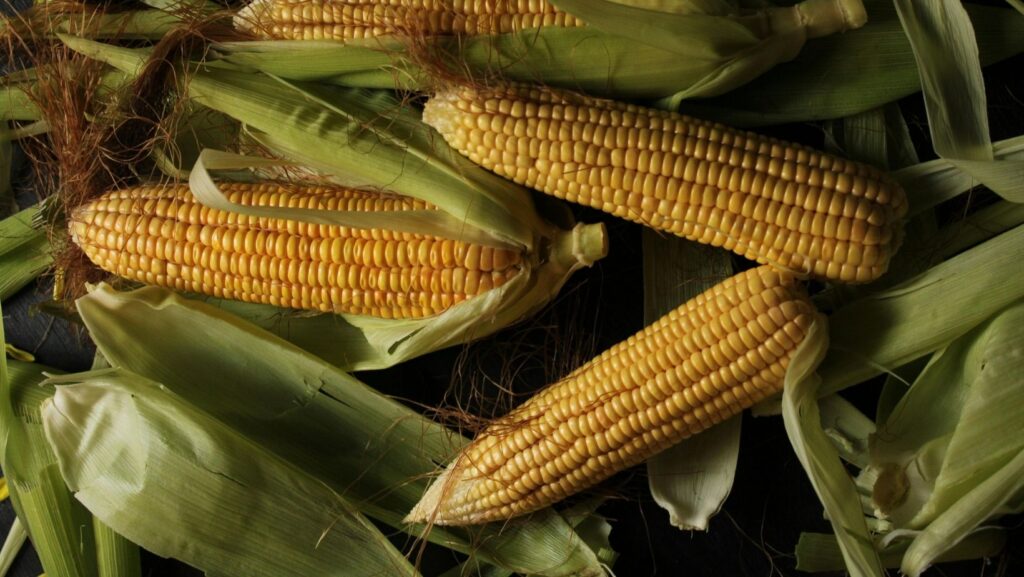
In rapeseed, copper plays both a nutritional and protective role —it supports plant resistance to fungal pathogens and environmental stress. Corn, like cereals, responds to copper deficiencies with growth disturbances and a weakened enzymatic system. Foliar feeding with copper-based formulations in these crops yields measurable yield benefits.
When and how should copper-based products be applied?
The basic principle of copper application is prevention. Copper-based products form a protective barrier on the plant’s surface, but they do not have a curative effect once a pathogen has penetrated the tissues. Treatment should therefore be planned before an expected infection, rather than in response to already visible symptoms of disease.
Key practical guidelines:
- Treatments should be performed in dry weather, when no precipitation is expected for at least 4–6 hours after application.
- Avoid treatments in high temperatures (above 25°C) – risk of phytotoxicity.
- The first seasonal spray applications are often performed just before or at the start of the growing season.
- Adjust the dosage according to the plant’s growth stage, weather conditions, and the specific product.
- In organic farming programs, adhere to the limits on copper application—in accordance with EU Regulation 2018/1981, a maximum of 4 kg Cu/ha/year averaged over 7 years, which allows for some flexibility in dosing between seasons.
Copper Compounds Used in Agriculture
Several chemical forms of copper are available on the market, each with different physicochemical properties and practical applications. The choice of the appropriate compound depends on the crop, the pathogen being controlled, and weather conditions.
Copper sulfate
Copper sulfate (CuSO₄) is one of the oldest and most widely used forms of copper in agriculture. It is a component of Bordeaux mixture—a blend of copper sulfate and slaked lime, whose history dates back to the 19th century. It is used as a fungicide and bactericide, as well as a micronutrient fertilizer to supplement copper deficiencies in the soil and for foliar application.
Copper sulfate is highly soluble in water and has high bioavailability of Cu²⁺ ions, which results in rapid action after application. Learn more about copper sulfate.
Copper oxychloride
Copper oxychloride (simplified formula: Cu₂(OH)₃Cl) is a compound with a high content of pure copper, characterized by the slow release of Cu²⁺ ions and good adhesion to plant surfaces. It is worth noting that commercial copper oxychloride preparations may have slightly varying phase compositions—they are mixtures of minerals such as atacamite, botallackite, or clinoatacamite. As a result, it provides longer-lasting protection than copper sulfate and is more resistant to being washed away by precipitation.
Copper oxychloride is widely used in fruit and vegetable farming as a fungicide and bactericide. It is the primary ingredient in many popular copper-based formulations available on the Polish market. Another advantage is its lower risk of phytotoxicity compared to copper sulfate, while maintaining similar efficacy.
Copper hydroxide
Copper hydroxide (Cu(OH)₂) is an active ingredient with very fine particle size, which ensures excellent coverage of plant surfaces and effective release of Cu²⁺ ions. It is particularly valued in protecting crops against fungal and bacterial diseases that require thorough coverage of leaves and fruits.
Copper hydroxide-based formulations are highly effective and well tolerated by plants when applied at the correct dosage. They are used in fruit and vegetable farming as well as in organic farming. Learn more about copper hydroxide.
Copper acetate
Copper(II) acetate (Cu(CH₃COO)₂) is a compound used primarily in technical and industrial applications requiring bactericidal and fungicidal action, including in wood preservation and specialized formulations. It is worth noting that copper acetate has only marginal use in plant protection and does not appearas a commonly used active ingredient in EU pesticide registries (Regulation 1107/2009)—unlike copper sulfate, copper oxychloride, and copper hydroxide.
Learn more about copper acetate.
Advantages and Limitations of Using Copper in Agriculture
Copper compounds have a well-established role in plant protection, but like any active ingredient, they require informed and responsible use.
Advantages of copper-based products:
- Broad spectrum of activity—effective against many species of fungi and bacteria simultaneously.
- Approved for organic farming – one of the few active ingredients permitted in certified organic production.
- No risk of resistance development – copper acts in multiple ways, which minimizes the selection of resistant pathogen strains.
- A long history of use and well-documented effectiveness in agricultural practice.
- Nutritional function – replenishes micronutrient deficiencies in copper-deficient soils.
Limitations and risks:
- Risk of phytotoxicity—excessively high doses or applications under stressful conditions (heat, frost) may cause plant damage.
- Contact action only – ineffective once the pathogen has penetrated plant tissues.
- Dependence on weather conditions – rainfall immediately after application washes the product off the plant surface.
- Accumulation in the soil – long-term use of high doses leads to copper accumulation in the soil and has a negative impact on soil organisms.
- Regulatory requirements – EU Regulation 2018/1981 sets a limit of 4 kg Cu/ha/year averaged over 7 years, which requires long-term planning of the protection program.
FAQ – Frequently Asked Questions About Copper Compounds in Agriculture
What does copper do in plant protection?
Copper has fungicidal and bactericidal properties. It is effective against, among others, apple scab, potato and tomato blight, fire blight, downy mildew, and bacterial diseases of many species of fruit trees and vegetables.
Are copper-based products effective against bacterial diseases?
Yes. Copper is one of the few active substances effective against bacterial plant diseases. It is particularly important in protecting orchards against fire blight and stone fruit trees against bacterial canker.
Can copper compounds be used in organic farming?
Yes, copper is approved for use in certified organic farming within the European Union, but with a limit of up to 4 kg Cu/ha/year (averaged over 7 years). This is one of the exceptions to the ban on the use of synthetic plant protection products in organic production.
How does copper oxychloride differ from copper hydroxide?
Copper oxychloride is characterized by a slower release of Cu²⁺ ions and good resistance to wash-off, which results in longer-lasting protection. Copper hydroxide has very fine particles, ensuring better coverage of plant surfaces and faster release of the active ingredient. Both compounds are effective, and the choice depends on specific growing conditions and the protection program being used.
When is the best time to apply copper-based products?
Copper is best applied preventatively—before an expected infection, not after disease symptoms appear. Treatments should be performed in dry weather, at temperatures below 25°C, avoiding periods of intense plant growth and stress. In fruit growing, spraying in early spring and during critical phases for specific pathogens is crucial.
Summary
Copper compounds remain one of the most important plant protection tools in modern agriculture. Their uniqueness lies in combining a broad spectrum of fungicidal and bactericidal activity with approval for use in organic farming and a long history of proven application.
However, the effective use of copper requires knowledge—of its mechanism of action, the proper timing of application, the selection of the appropriate chemical form for a specific crop and pathogen, and compliance with environmental regulations. Copper sulfate, copper oxychloride, and copper hydroxide are the three main active ingredients used in plant protection, and choosing the right one directly impacts the effectiveness of protection and the safety of the crop.
A well-planned protection program using copper-based products is an investment in plant health, crop quality, and production stability—regardless of whether you run a conventional or organic farm.