Silver Nitrate—Applications in Industry, Pharmaceuticals, and Analytical Chemistry
Silver nitrate (AgNO₃) is used in electroplating (electrolytic silver plating), pharmaceuticals, and dentistry (tissue cauterization, pharmaceutical ingredient), chemical analysis (argentometric titration, Tollens’ reagent), and historically in analog photography. Each of these sectors requires a different level of purity for the raw material: silver nitrate used in industrial, pharmaceutical, and analytical applications differs in terms of quality requirements and purchase volume.
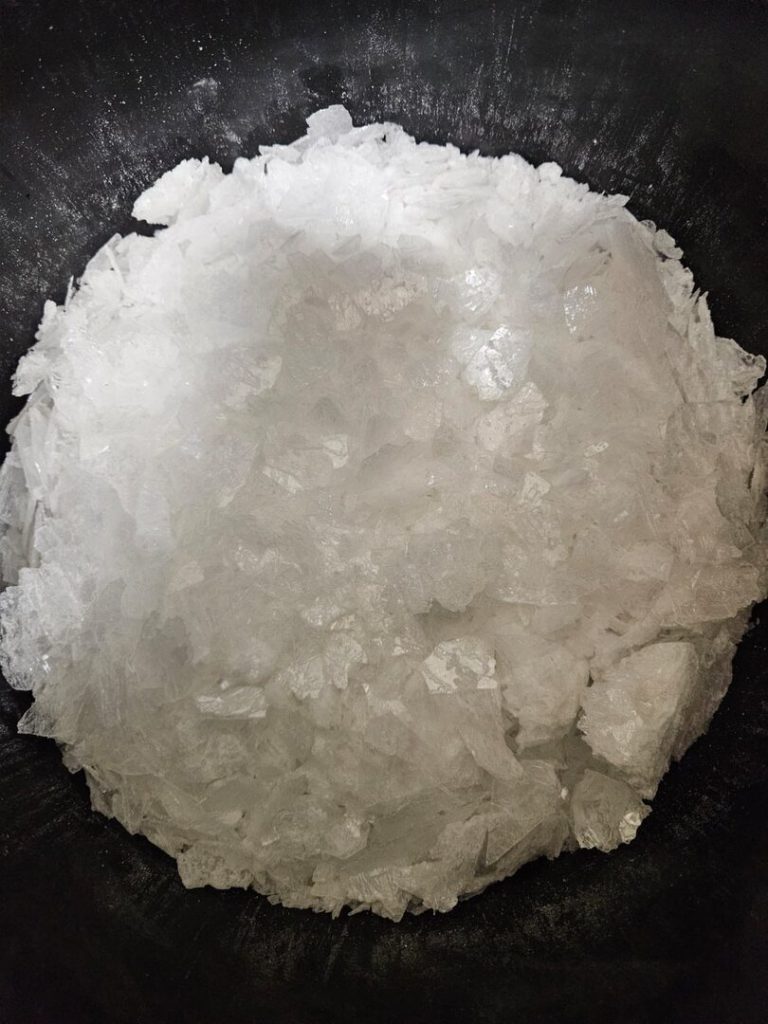
Properties of silver nitrate as a chemical raw material
AgNO₃ is a colorless, crystalline solid with a molar mass of 169.87 g/mol and a density of 4.35 g/cm³. It is highly soluble in water: at 25°C, its solubility exceeds 900 g/L, which is exceptional among silver(I) salts. The melting point of silver nitrate is 212°C; above this temperature, thermal decomposition occurs, releasing nitrogen oxides and oxygen and producing metallic silver.
Proper selection of the raw material for a specific application of silver nitrate requires knowledge of its physical-chemical properties. A key characteristic from a storage perspective is its sensitivity to light. Under the influence of UV and visible radiation, Ag⁺ ions undergo photoreduction to metallic silver, causing the sample to darken. For this reason, the raw material is stored in brown or opaque containers, in a cool and dark place.
The Use of Silver Nitrate in Electroplating and Silver Plating
Electrolytic silver plating — the role of AgNO₃ in the silver plating bath
In electrolytic silver plating, silver nitrate is the primary source of silver ions used to prepare industrial electroplating baths. Ag⁺ ions deposit on the cathode, forming a silver coating; the composition of the bath, its pH, and temperature depend on the required thickness and structure of the coating.
Electrolytic silver plating is used where electrical conductivity and corrosion resistance are important: electrical connectors, switch contacts, microelectronic components, and in the decorative industry: cutlery and jewelry.
The purity of the raw material directly affects the quality of the coating. Even trace amounts of chloride ions cause the precipitation of silver chloride (AgCl), which is of significant importance both during the preparation of electroplating baths and in chemical analysis. The content of heavy metals, such as lead or copper, affects the hardness and corrosion resistance of the coating. Therefore, electroplating facilities require AgNO₃ of a strictly defined purity, confirmed by a certificate of analysis (COA) for each batch of raw material.
Synthesis of silver halides and other precursors
Silver nitrate is the primary raw material for the synthesis of silver halides. The reaction of AgNO₃ with hydrochloric acid or chlorides yields silver chloride (AgCl); with bromides, silver bromide (AgBr); and with iodides, silver iodide (AgI). Individual silver halides are used, among other things, in reference electrodes, photosensitive materials, and selected optical applications.Check the specifications and availability of AgNO₃
Silver Nitrate in Pharmacy and Dentistry
In medicine and pharmacy, silver nitrate is known as lapis or hellstone; terms that refer specifically to concentrated preparations in the form of sticks used for cauterizing tissues. The action of silver nitrate is based on protein coagulation: Ag⁺ ions react with the sulfhydryl groups of bacterial enzymes, inhibiting their activity (bactericidal properties), and at higher concentrations, they cause tissue necrosis.
In dentistry, lapis is used to seal open dentin tubules, cauterize granulation tissue, and disinfect cavities prior to filling. Currently, this method is used much less frequently than in the past, having been supplanted by modern dental materials. The Crede procedure, which involves instilling a 1% silver nitrate solution into the eyes of newborns, historically constituted the standard of care for the prevention of gonococcal conjunctivitis; today it has been replaced by antibiotics, though it is still mentioned in pharmaceutical literature.
Pharmacies and compounding laboratories order AgNO₃ as a pharmaceutical raw material compliant with the requirements of the Polish Pharmacopoeia. Pharmaceutical purity differs from technical purity in terms of acceptable impurities: the Polish Pharmacopoeia raw material must meet stricter limits for heavy metals and organic substances.
Silver Nitrate in Chemical Analysis
Analytical laboratories use AgNO₃ primarily in argentometric titration. The Mohr method uses potassium chromate as an indicator and allows for the determination of chloride concentration in aqueous solutions, which is a standard procedure in drinking water and wastewater analysis. The Volhard method, which uses an iron indicator and back titration, is effective for determining chloride concentrations in samples containing interfering substances.
Tollens’ reagent, an ammoniacal solution of silver nitrate containing the diammine silver(I) ion [Ag(NH₃)₂]⁺, is used to detect aldehydes. The reaction of an aldehyde with Tollens’ reagent leads to the reduction of Ag⁺ to metallic silver, which deposits on the walls of the vessel; the “silver mirror” effect is a classic test in organic chemistry and food analysis.
In the identification of halide anions, AgNO₃ allows for the differentiation between chlorides (white AgCl precipitate), bromides (light yellow AgBr precipitate), and iodides (yellow AgI precipitate). The differences in the solubility of these precipitates are so pronounced that the reaction with silver nitrate is one of the fundamental analytical tests in inorganic chemistry.
Silver Nitrate Purity Grades and Applications
The selection of the appropriate purity grade of the raw material depends on the process requirements:
| Grade | Description | Typical Applications |
|---|---|---|
| Technical | Basic purity, acceptable process impurities | Electroplating, industrial-scale synthesis of silver halides |
| Pure | Higher purity, limited impurities | Processes requiring homogeneity of the electroplating bath |
| Analytical grade (pure for analysis) | Strictly defined impurity limits | Chemical analysis, laboratory reagents |
| Pharmaceutical (FP) | Compliant with the requirements of the Polish Pharmacopoeia | Pharmacy formulations, dental preparations |
AgNO₃ products for laboratories
Historical and other uses of silver nitrate
Analog photography relied on emulsions containing silver halides (primarily AgBr) synthesized from silver nitrate. Although digital photography has replaced silver-based technology, the industrial production of photographic materials was one of the largest uses of AgNO₃ for decades.
The chemical silvering of mirrors is a process of chemical silver deposition (not electroplating): it involves the reduction of silver ions from a silver nitrate solution by aldehydes, hence the colloquial term “mirroring.” Today, in electronics, silver nitrate is one of the basic precursors used to produce silver compounds employed in conductive pastes and contacts.
Safety and Storage of AgNO₃
Silver nitrate is classified under the CLP/GHS regulation as an oxidizing agent (Ox. Sol. 2) and a substance that is corrosive to the skin and eyes. Skin contact causes characteristic black discoloration due to the photoreduction of silver, a phenomenon that is reversible over time, but unsightly. Chronic exposure to silver compounds can lead to argyria, a permanent gray discoloration of the skin.
When working with silver nitrate solution, wear nitrile gloves and eye protection. The substance may react with organic and flammable materials; therefore, it must be stored in a separate area away from reducing agents and flammable substances. When transporting larger quantities, ADR requirements must be followed.
Frequently Asked Questions About Silver Nitrate
What is silver nitrate used for?
Silver nitrate is used in four main areas: electroplating (electrolytic silver plating, synthesis of silver halides), pharmacy and dentistry (cautery paste, pharmaceutical ingredient), chemical analysis (argentometric titration, Tollens’ reagent), and historically in analog photography. Depending on the application, different levels of purity are required.
What are the applications of silver nitrate in industry, laboratories, and pharmacy?
The applications of silver nitrate vary by sector:
Industry: electrolytic silver plating (source of Ag⁺ ions in electroplating baths), synthesis of silver halides (AgCl, AgBr, AgI), chemical silvering of mirrors, production of precursors for electronics.
Laboratory: argentometric titration (Mohr’s method, Volhard’s method) for determining chlorides, Tollens’ reagent for detecting aldehydes, identification of halide anions.
Pharmacy and dentistry: a pharmaceutical ingredient (lapis) for cauterizing tissues, disinfecting, and sealing dentin tubules.
Is silver nitrate harmful?
Silver nitrate is corrosive to the skin and mucous membranes and irritating to the eyes; contact requires the use of personal protective equipment. Due to its GHS classification as an oxidizing agent, it must be stored away from flammable and reducing substances. Detailed health and safety information is provided in the product’s safety data sheet (SDS).
Silver nitrate — a raw material for industry and laboratories
Elpolap manufactures and supplies silver nitrate (AgNO₃) to electroplating plants, analytical laboratories, and formulation labs. Wholesale packaging, quality documentation (Certificate of Analysis (COA), Safety Data Sheet (SDS)), and delivery within Poland.Check out our AgNO₃ offerings